I øjeblikket er der alvorlig tørke i mange dele af Sydafrika, bl.a. i Cape Town. Sydafrikas regering erklærede undtagelsestilstand i otte provinser, hvoraf fem tidligere havde været i undtagelsestilstand på grund af tørken, men nu er otte ud af ni provinser i Sydafrika, undtagen Gauteng, i undtagelsestilstand som følge af tørken.
There is no sign of easing the phenomenon of the infant child causing severe drought. In most parts of South Africa, the temperature is too high, rainfall is significantly less than in previous years, and there is a serious shortage of water in the reservoir. The drought has caused many animals to be thirsty, cut in grain output, and there is no domestic water available to the population.
The South African government has launched an emergency response plan, including drilling Wells and delivering water to areas of water shortage. According to the latest data from the South African statistics bureau, South Africa’s agricultural production has fallen for five consecutive seasons.
Droughts in South Africa occur cyclically, and in this context, desalination is gradually becoming a long-term solution to the steady supply of freshwater.
Some countries now rely heavily on seawater desalination, more will happen in the future. In many areas “the limits of reclaimed water resources have been reached, but the population is still growing,” and global warming has made the climate hotter and droughts in many areas, further reducing the amount of available renewable water.
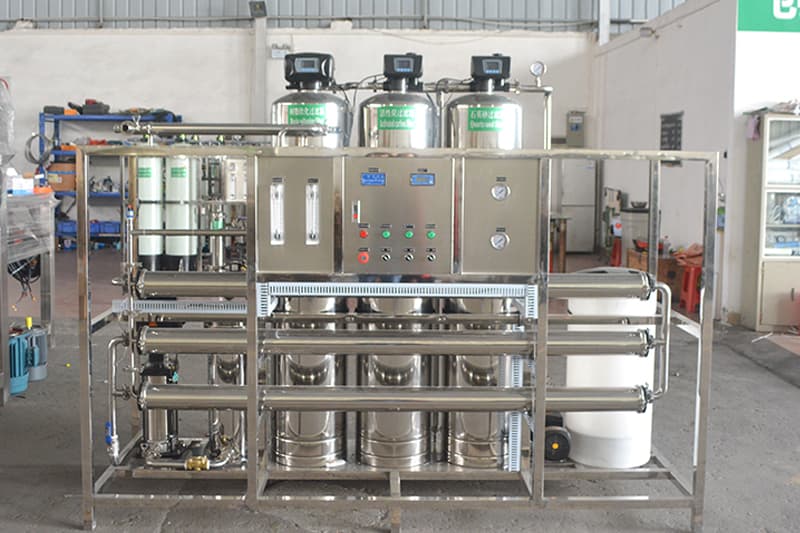
The good news is that desalination has been technically much improved. RO technology in the past due to the salt water in the bay area is not suitable, operating costs are higher than other desalination technologies. However, RO technology has been improved several times, has successfully solved the technical deficiencies. As a result, small mobile desalination plants can be used in agricultural areas that require large amounts of water hundreds of miles away from the ocean.
Den forbedrede RO-teknologi har reduceret Afsaltningsomkostninger fra tidligere $1 faldt til $0,6/m³, og der er stadig plads til reduktion, i mellemtiden har den stærke efterspørgsel efter vand i bugtområdet gjort den private investering i vandafsaltningsindustrien rentabel.
The ever-increasing demand, the cost reduction brought about by the improvement of desalination process, and the huge capital supply capacity in the region had created tremendous room for development in the desalination industry in the region and created boundless business opportunities.
To make the seawater to drinking water, we have two suggestions:
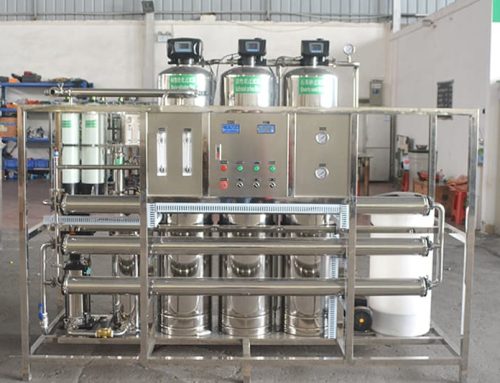
- Lille afsaltningsmaskine: 1-10 m³ per day.
- Plug and play, as long as there is electricity, sea water, it can be started immediately.
Det er perfekt til husholdninger, feriesteder, hoteller, marinebrug og landbrugs- og kommercielle formål. Vi kan designe 2,4 m³?5m³?10m³... alt efter indbyggertal og dagligt vandforbrug.
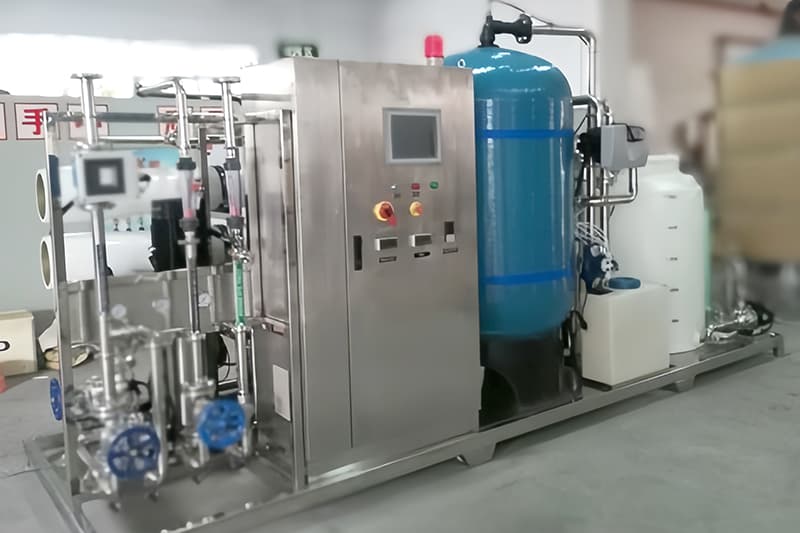
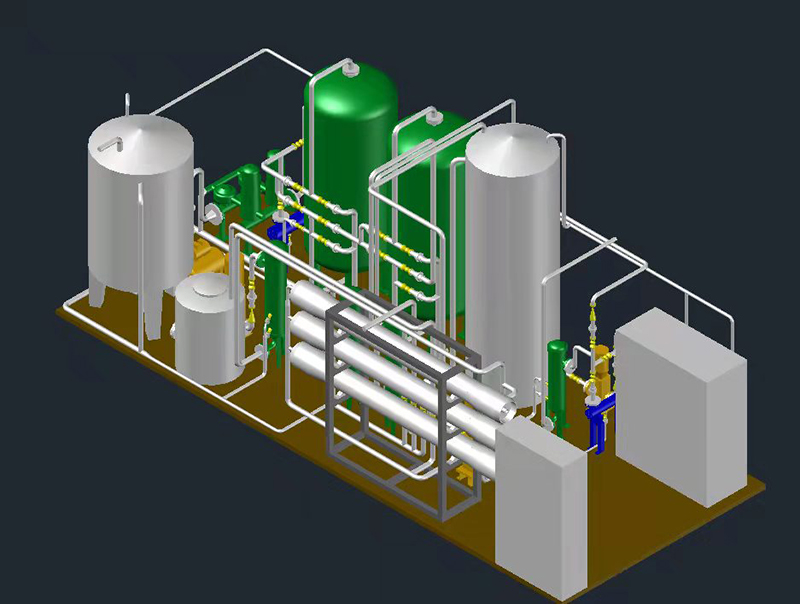
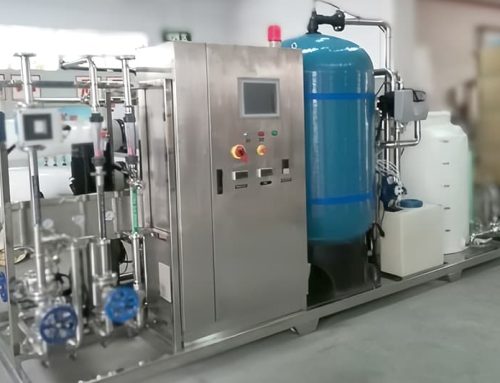
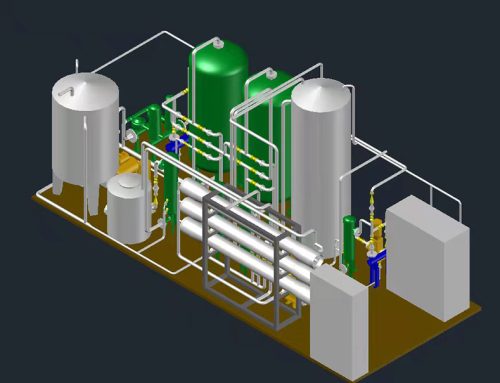
2. Afsaltningssystem i container: 50-250 m³ per day.
- Lille areal, hjælper i høj grad med at spare omkostninger til bygning af operationsrum.
Let at betjene og vedligeholde, med elektricitet og havvand producerer den ferskvand med det samme.
It can be used for the island, community etc. A full set of the container produce 50m³-250 m³ fresh water, can be used by 330-1760 people.

 Danish
  English
  Arabic
  Spanish
  Russian
  German
  Indonesian
  Romanian
  Vietnamese
  Turkish
  Thai
Thai  Italian