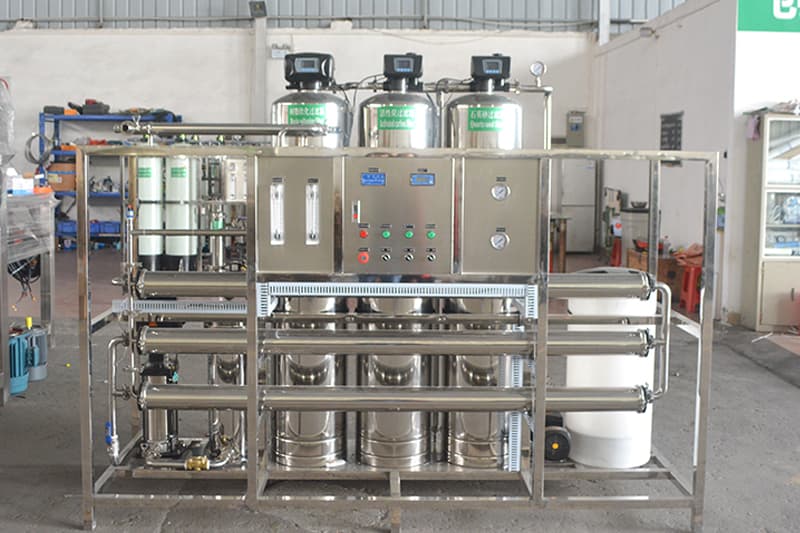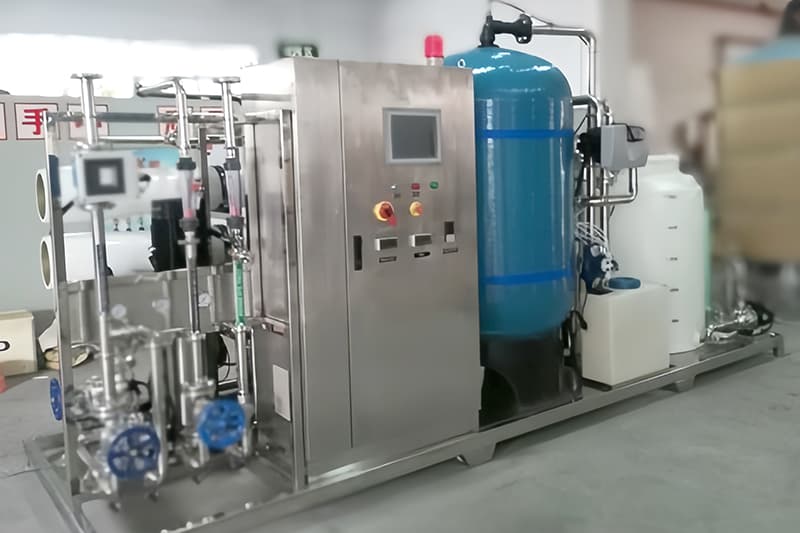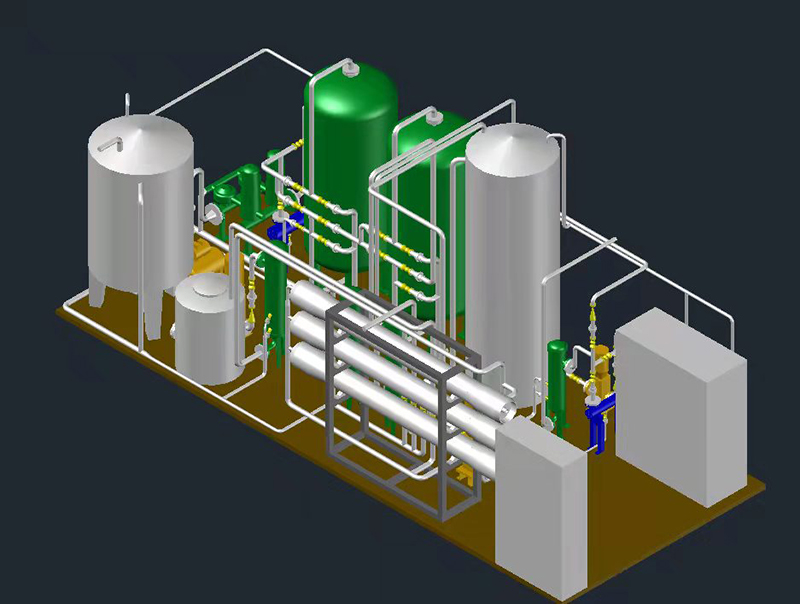
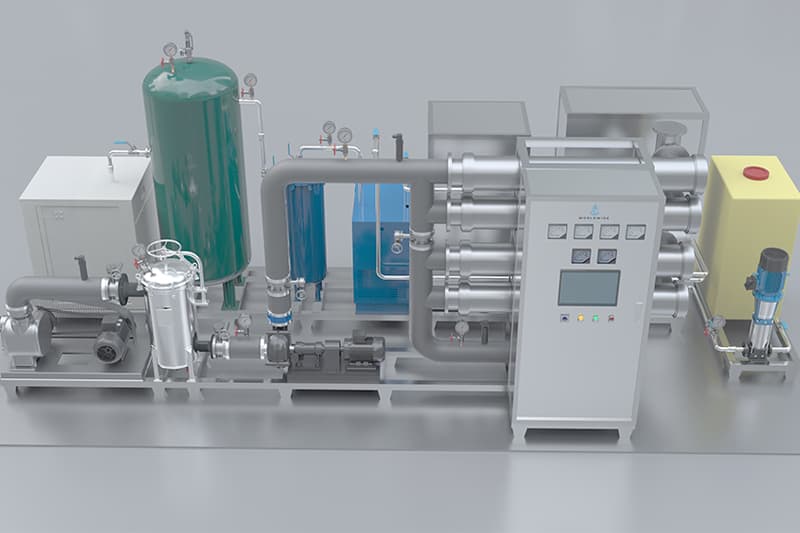
Over 300 million people worldwide rely on desalinated water, yet every drop of freshwater comes at a high cost—both financially and environmentally. As global water scarcity intensifies, desalination technology is seen as a key solution to the freshwater crisis. Currently, over 18,000 plantas desalinizadoras worldwide provide drinking water to more than 300 million people. From high energy consumption to environmental impacts, the path of desalination plant development is far from smooth.
High Energy Consumption
The most immediate challenge facing desalination is its extremely high energy demand. Both mainstream methods—reverse osmosis and distillation—require substantial energy inputs.
Reverse osmosis relies on high-pressure pumps to force seawater through semi-permeable membranes, while distillation involves heating seawater to vaporize and then condense it. Both processes entail massive energy consumption. Producing one cubic meter of freshwater consumes approximately 3-4 kilowatt-hours of electricity.
Such high energy consumption translates to steep operational costs, making desalinated water generally more expensive than conventional water sources. Statistics show that electricity costs and depreciation expenses constitute the two largest components of desalination costs, accounting for a significant proportion of total expenses.
Environmental Concerns
Brine Discharge Challenges
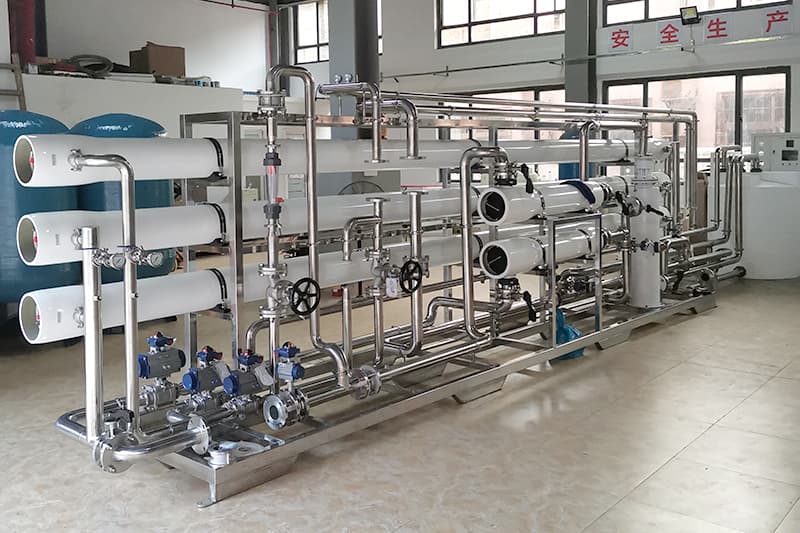
Seawater desalination generates substantial volumes of brine, a solution with even higher salinity than the original seawater. Direct discharge into the ocean alters water salinity, temperature, and chemical composition, disrupting marine habitats and breeding grounds.
The Bohai Sea region is an enclosed sea with slow-moving currents, lacking conditions for brine to migrate to deeper waters. Experts note that the upper salinity tolerance for most Bohai Sea organisms ranges from 33‰ to 36‰. Salinity exceeding 40‰ can prove lethal to certain species.
Chemical Additives and Warm Wastewater
To prevent equipment corrosion and scaling, desalination processes require chemical additives (such as scale inhibitors and biocides), which may pose potential hazards to the marine environment.
Warm discharge also affects coastal water temperatures, potentially triggering explosive growth and high concentrations of certain plankton, leading to harmful algal blooms.
Impacts of Water Intake Systems
Intake pipelines can suck marine life like fish, shrimp, and plankton into machinery, posing threats to marine organisms. These indirect ecological impacts are often overlooked, yet their cumulative long-term effects are significant.
Technical Bottlenecks
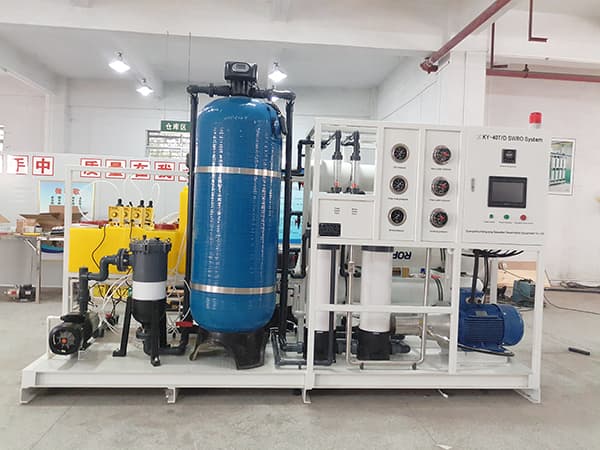
Currently widely used reverse osmosis membranes have several drawbacks: susceptibility to fouling, damage, and limited lifespan. Membrane fouling reduces flux, necessitating frequent cleaning and replacement of membrane modules, which increases maintenance costs and operational complexity.
Reverse osmosis membranes for seawater desalination are largely monopolized by foreign companies. While domestically produced membranes are cheaper, their quality still lags behind that of established international membrane manufacturers. This further elevates the investment costs for desalination projects.
Additionally, seawater pretreatment processes require further refinement. Seawater quality varies significantly across regions. For instance, the poor quality of seawater in China’s Bohai Sea poses challenges in pretreatment, leading to severe membrane fouling and high operational costs.
Economic Costs
Constructing a seawater desalination plant demands substantial capital investment, encompassing equipment procurement, infrastructure development, and pipeline network installation. A large-scale reverse osmosis desalination plant may require investment costs reaching hundreds of millions or even billions of yuan.
Beyond construction expenses, operational costs for desalination remain high. Currently, the cost of desalinated water is relatively elevated, lacking price competitiveness compared to conventional tap water. For instance, Qingdao Baifa Desalination Company’s average industrial water cost is 6.18 yuan/ton, while municipal water costs 3.12 yuan/ton.
Innovative Solutions
Facing these challenges, scientists and engineers are actively seeking solutions:
Energy Recovery Devices
One approach involves utilizing energy recovery devices, primarily applied to recover residual pressure energy from brine in reverse osmosis processes. After installing such devices, Israel’s Ashkelon desalination plant achieved 97% energy recovery, reducing electricity consumption by 40%.
Clean Energy Utilization
Leveraging clean energy sources like wind power represents the future direction for desalination in terms of energy efficiency and environmental sustainability. For instance, a desalination plant near Perth, Western Australia, utilizes renewable wind energy generated by a nearby wind farm.
Comprehensive Utilization of Brine
Experts recommend integrating desalination with salt chemical processing to extract salts and chemical feedstocks from brine. With chemical concentrations approximately twice those of seawater, brine significantly reduces extraction costs.
Conclusion:
Seawater desalination technology offers a vital solution to global water scarcity, yet its advancement faces multifaceted challenges spanning technology, economics, and ecology. Achieving the healthy, sustainable development of the desalination industry will require concerted efforts in technological innovation, policy support, and societal awareness.
As environmental experts note: “Humanity’s need for freshwater is undeniable, but a current misconception is that building desalination plants should come at the expense of environmental protection.” While pursuing development, we must prioritize environmental stewardship and seek more sustainable solutions.
Only by striking a balance between technological innovation and environmental protection can desalination truly become a sustainable solution to the global water crisis—rather than a stopgap measure that merely replaces one problem with another.
Get A Free Quote Today!

 Spanish
  English
  Arabic
  Russian
  Danish
  German
  Indonesian
  Romanian
  Vietnamese
  Turkish
  Thai
Thai  Italian