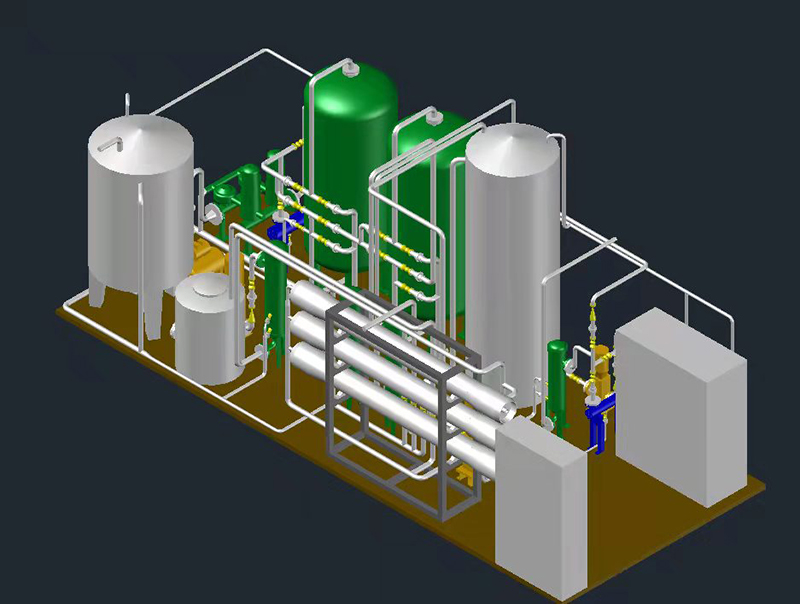
In today’s increasingly serious global water crisis, how to convert saltwater in the vast ocean into usable freshwater resources has become a key issue. As a sophisticated water treatment process, seawater reverse osmosis desalination plant is playing an increasingly important role in providing clean water for billions of people worldwide.
What is seawater reverse osmosis desalination plant?
Reverse osmosis desalination of seawater is a process that uses a semi permeable membrane to separate salt and impurities from seawater under pressure. This technology uses physical techniques to remove dissolved solids from seawater and convert them into freshwater suitable for drinking or industrial applications;
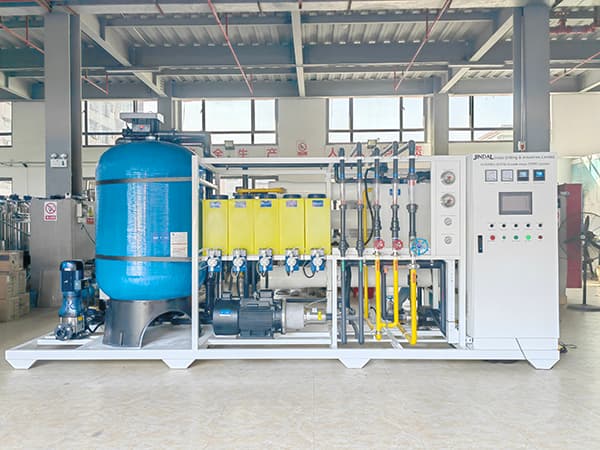
The core of reverse osmosis technology lies in the reverse application of permeation phenomena. During the natural permeation process, the solvent (water) will spontaneously pass through the semi permeable membrane from the low concentration solution side to the high concentration solution side. The reverse osmosis process applies an external pressure greater than its osmotic pressure to a high concentration solution (seawater), causing water molecules to flow backwards towards the low concentration side, thereby achieving the separation of salt and water. The osmotic pressure of seawater is about 2.5 MPa, while reverse osmosis systems typically require an operating pressure of 5.5-6.8 MPa to achieve effective separation. The pore size of reverse osmosis membrane is extremely small (0.0001 microns), which can effectively block impurities such as salt ions, bacteria, and viruses from passing through.
What are the components of a seawater reverse osmosis desalination plant?
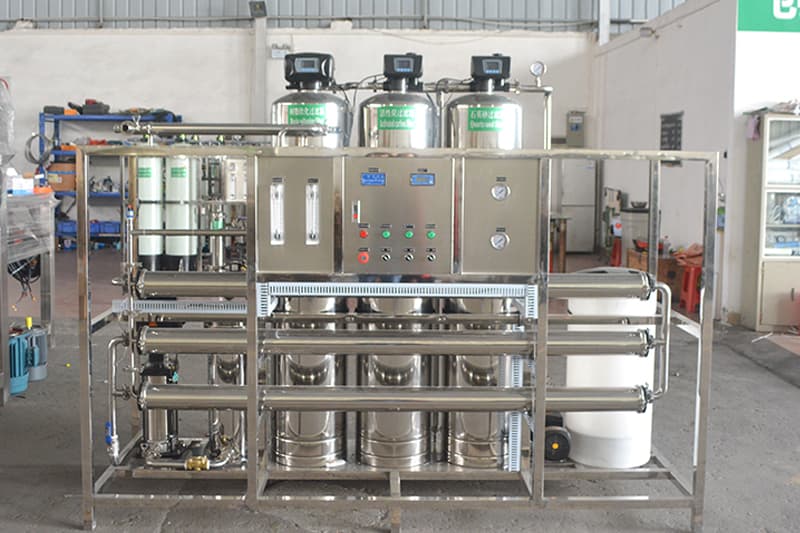
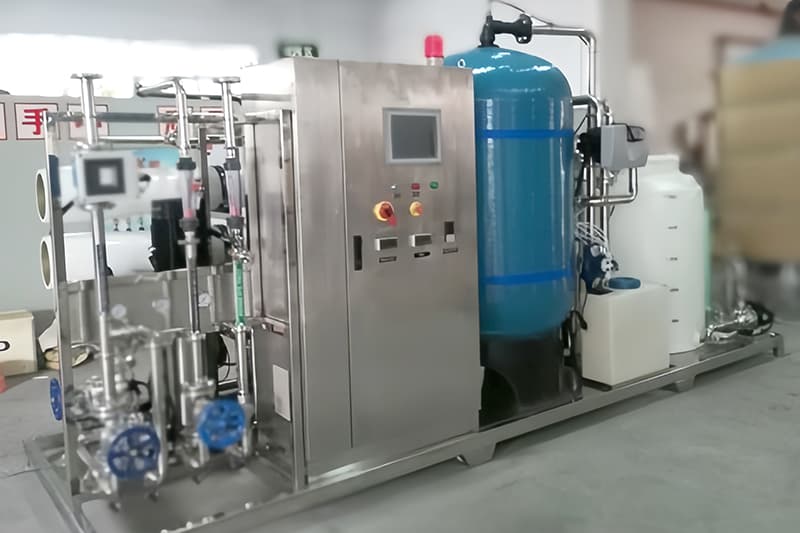
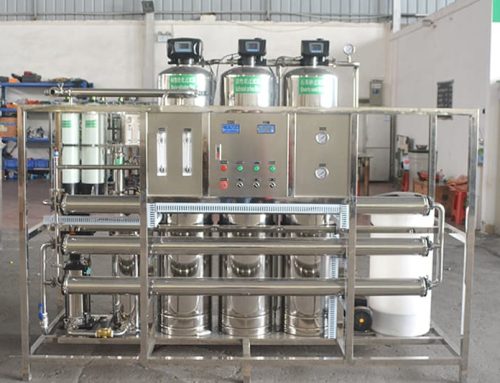
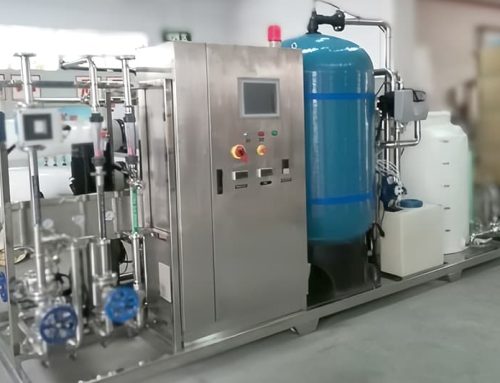
A complete reverse osmosis seawater desalination system typically consists of four main departments, each with their own responsibilities and working together:
The preprocessing system is responsible for the initial control of raw seawater, including reducing seawater turbidity and preventing the growth of bacteria, algae, and other microorganisms through multi-media filters, compact filters, and other settings; The pre-treatment goal is to reduce the seawater pollution index (SDI) to below 3-5 to meet the inlet requirements of the reverse osmosis membrane.
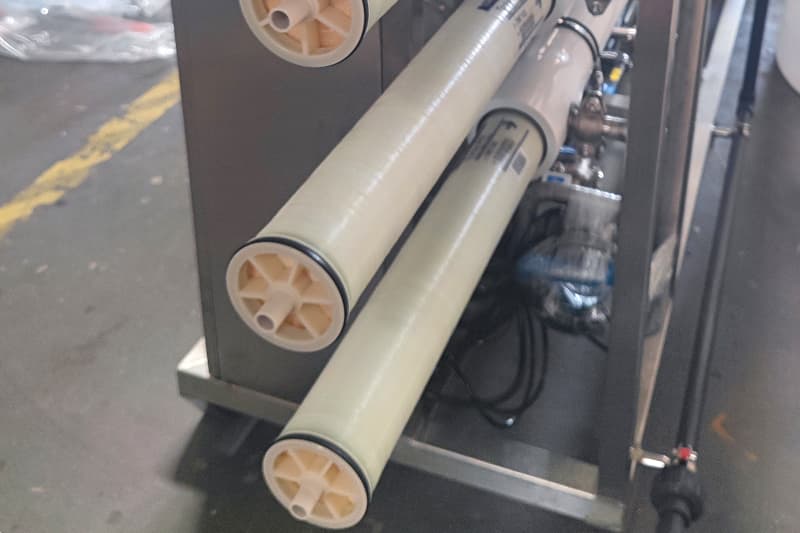
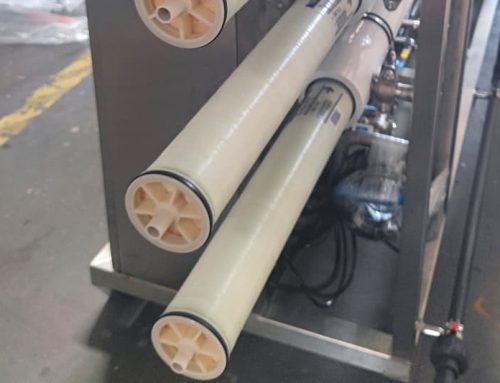
The core processing unit includes high-pressure pumps, energy receiving assemblies, and reverse osmosis membrane components. The high-pressure pump provides the required operating pressure for the system. The energy acceptance device can accept the energy of high-pressure concentrated salt water, reducing energy consumption and achieving an energy efficiency recovery rate of over 90%; Reverse osmosis membrane is the focus of development, and modern reverse osmosis membranes usually use polyamide composite materials with a desalination rate of over 99%;
The post-treatment system mineralizes and disinfects the desalinated water to ensure that the water quality meets the application standards. Due to the fact that the water produced by reverse osmosis contains almost no minerals, post-treatment usually requires adjusting the pH value and adding necessary minerals to make it stable and suitable for drinking or industrial applications;
Comparison of Major Seawater Desalination Technologies
| Skill Type | Advantages | Disadvantages | Applicable Scenarios |
|---|---|---|---|
| Reverse osmosis method | Low energy consumption, simple setup, wide applicability | High pre-treatment requirements, membrane needs to be cleaned regularly | Coastal areas, municipal water supply |
| Multi stage flash evaporation | Mature technology, reliable operation, high assembly output | High energy consumption | Large scale cogeneration projects |
| Multi effect evaporation | Energy saving, low pre-treatment requirements, high water quality | Large investment | Regions with abundant thermal energy |
What parameters sense the efficiency of reverse osmosis desalination process?
The efficiency of reverse osmosis desalination process is influenced by various factors, mainly including seawater quality, membrane mixing degree, manipulated pressure, and recovery rate;
The quality of seawater is a fundamental factor, and the temperature, salinity, and pollutant content of seawater directly affect osmotic pressure and membrane fouling rate; High salinity seawater requires higher working pressure, while low-temperature seawater reduces membrane flux;
Membrane fouling is a key issue affecting the long-term static operation of the equipment, including inorganic scaling, organic fouling, colloidal fouling, and biological pollution! Confusion can lead to low membrane flux, increased operating pressure, and decreased desalination rate!
The configuration of operating pressure and recovery rate has a significant impact on energy consumption and water quality! Popularizing pressure can increase water production, but it can also increase energy consumption and membrane wear; Popularizing the recycling rate can reduce the need for water intake, but it may increase the risk of membrane confusion!

What are the application of seawater reverse osmosis desalination plant?
The reverse osmosis seawater desalination technology has been widely applied in multiple fields, providing a practical solution to the problem of water scarcity!
Municipal water supply is the primary application scenario for seawater desalination. With population growth and climate change, many coastal cities are facing freshwater shortages, and seawater desalination has become an important source of supplementary water.
This technology is also widely used in the field of industrial water use; The petroleum and other industries need to carefully investigate high-quality water use. Reverse osmosis desalinated water can be used as boiler feed water, process water, or cooling water to reduce dependence on freshwater resources!
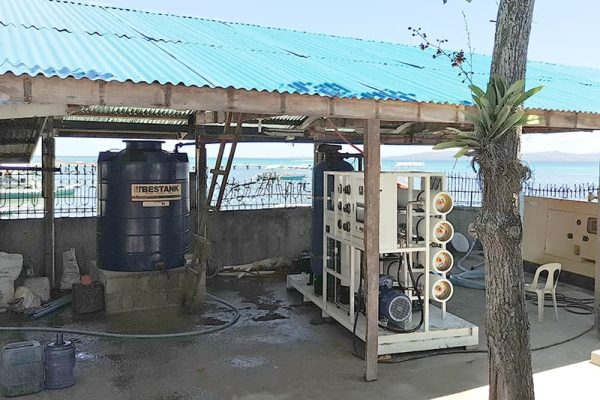
Remote areas and island communities are also important application scenarios. These areas often lack natural sources of fresh water, and small reverse osmosis devices can provide local residents with a reliable source of drinking water!
What challenges doeseawater reverse osmosis desalination face?
Although reverse osmosis seawater desalination technology has significant advantages, its environmental impact cannot be ignored and needs to be alleviated through scientific management;
The discharge of concentrated saltwater is one of the main environmental issues! The reverse osmosis process produces about 50% of the inflow of concentrated saltwater, which is about twice the salinity of ordinary seawater. Direct discharge can have an impact on marine ecosystems;
Energy consumption is another primary consideration. Although the energy consumption of reverse osmosis has decreased from the early 20kWh/m ³ to the current 3-4kWh/m ³, the energy consumption is still considerable;
Whole process environmental control can effectively reduce environmental impact. Adopting appropriate measures throughout the entire process from water intake to concentrated saltwater discharge can protect the marine environment;
What new progress has been made in seawater reverse osmosis technology?
Continuous improvement has been made in seawater reverse osmosis technology, and significant progress has been made in system and energy integration;
Innovation in membrane materials is a core area. New types of reverse osmosis membranes such as graphene membranes and carbon nanotube membranes are currently under development, with higher water flux and desalination rates;
The primary direction is to improve energy compliance. The advancement of energy recovery devices has significantly reduced system energy consumption, and modern energy recovery assembly efficiency can reach over 90%.
Intelligent operation has popularized the instinct of staffing; Through advanced monitoring and automation control, seawater desalination plants can optimize operating parameters in real time, improve water production compliance, and reduce operating costs;
What is the future trend of seawater reverse osmosis desalination plant?
The seawater reverse osmosis desalination technology will be developed towards more efficient, sustainable, and economical targets in the future, with broad prospects!
Technological integration is an important trend; The hybrid system maintained by reverse osmosis and other techniques (such as forward osmosis, membrane distillation, etc.) can elucidate their respective advantages and promote collective obedience!
Cost reduction is the key to implementation. With the decrease in membrane material costs, improvement in energy acceptance, and optimization of system design, the cost of seawater desalination has dropped from $10/cubic meter in the 1970s to $0.5-1/cubic meter!
Sustainable progress is the core objective! Efforts will be made to increase the proportion of renewable energy, develop zero chemical pre-treatment technologies, and achieve resource recovery (such as extracting useful minerals from concentrated salt water).
FAQ for seawater reverse osmosis desalination plant
Can seawater be desalinated using reverse osmosis?
Sure, a high-pressure pump combined with a semi permeable membrane can convert seawater into drinkable fresh water.
What is the biggest challenge of reverse osmosis desalination?
Energy consumption accounts for the main cost and requires continuous optimization of equipment and energy configuration.
How effective is RO desalination?
Advanced membrane technology can remove about 99% of dissolved salts and impurities, providing a multi-purpose clean water source.
Which seawater desalination method is most efficient? Efficient reverse osmosis membranes combined with energy recovery devices can achieve stable water production while reducing energy consumption.
Kesimpulan
The desalination capability of osmosis balik air laut is becoming increasingly efficient, economically and environmentally friendly as an important means to solve the global water shortage problem through continuous technological innovation and application optimization; From municipal water supply to industrial applications, from large factories to small-scale modular development, this skill has demonstrated its value on a global scale;
Dapatkan Solusi Hari Ini!

 Indonesian
  English
  Arabic
  Spanish
  Russian
  Danish
  German
  Romanian
  Vietnamese
  Turkish
  Thai
Thai  Italian