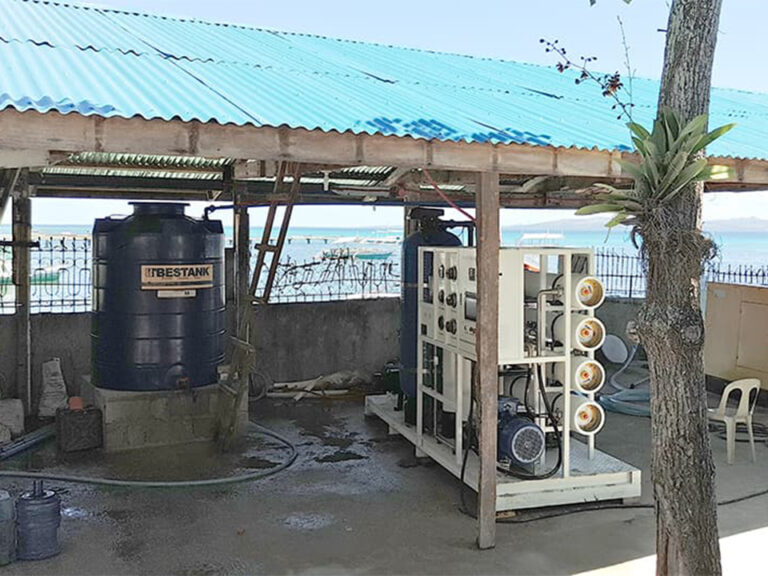
Bir Deniz Suyu Tuzdan Arındırma Sistemi Üreticisi ile Çalışmaya Hazır mısınız?
Bize su kaynağınızı, gerekli kapasitenizi, gemi veya proje konumunuzu, çalışma modu tercihinizi ve kurulum gereksinimlerinizi gönderin. KYsearo, deniz, açık deniz, ada veya acı su projeniz için fabrikadan doğrudan teknik teklif, özelleştirilmiş RO tuzdan arındırma çözümü ve B2B fiyat teklifi hazırlayabilir.
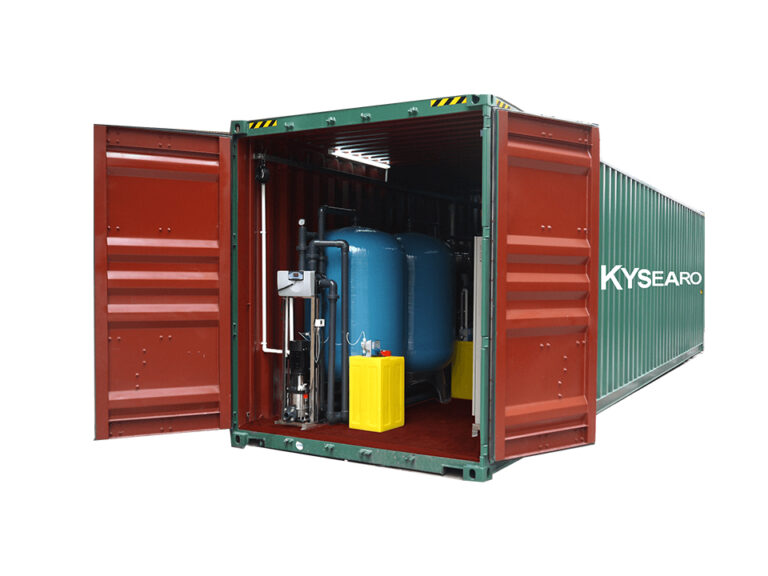
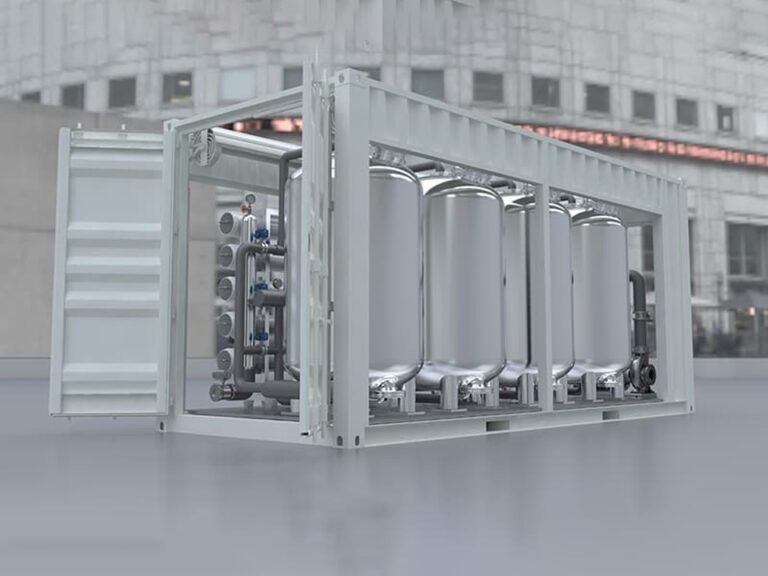
Konteynerli Su Arıtma Tesisi Nedir: Avantajları, Maliyetleri ve Uygulamaları
Endüstriyel gelişim, su arıtma sistemleri için sürekli olarak daha düşük yatırım maliyetleri ve daha kısa inşaat döngüleri peşinde koşmaktadır, konteynerli̇ su aritma tesi̇si̇ giderek daha popüler bir çözüm olarak ortaya çıkmıştır. Geleneksel yerinde inşa edilen binalarla karşılaştırıldığında, konteynerli sistemler yüksek maliyet etkinliği, hızlı dağıtım ve minimum yerinde kurulum gereksinimleri gibi birçok avantaj sunmaktadır. Ancak, saha planlaması, malzeme seçimi, tasarım ömrü ve teknik özellikler kapsamlı bir şekilde değerlendirildiğinde, toplam yatırım ve yaşam döngüsü maliyetleri her zaman en uygun seçimi temsil etmeyebilir. Arıtma süreci gereksinimlerinin, beklenen hedeflerin ve bina yönetmeliklerinin özel bir değerlendirmesi, bir konteynerli arıtma sistemiprojeniz için uygundur.
İçindekiler
Konteynerli Çözümler Su Arıtma Verimliliğini Nasıl Artırır?
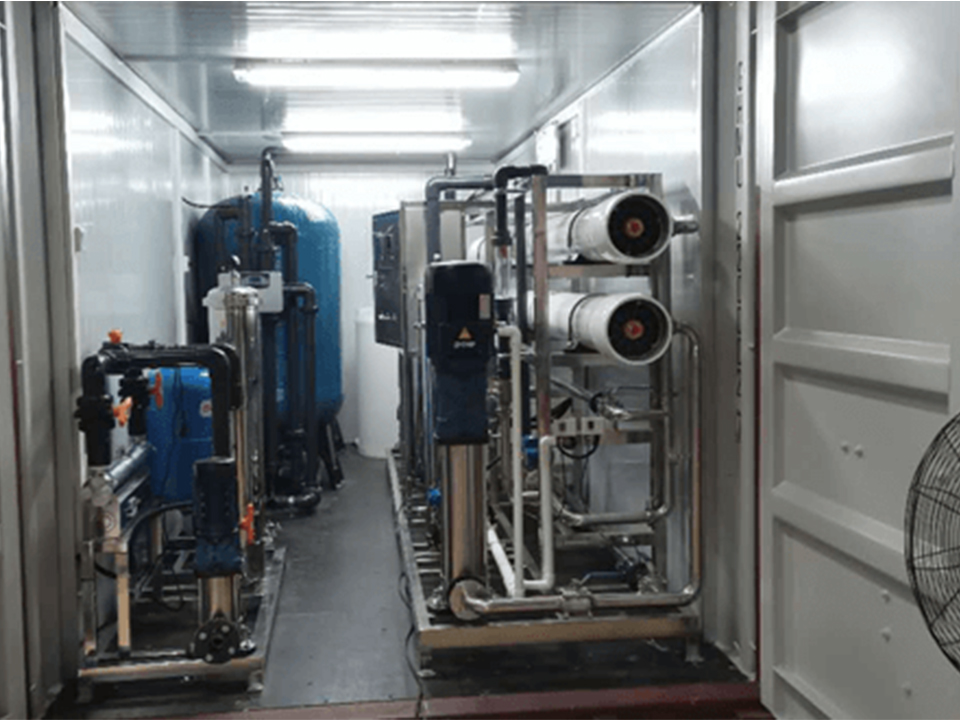
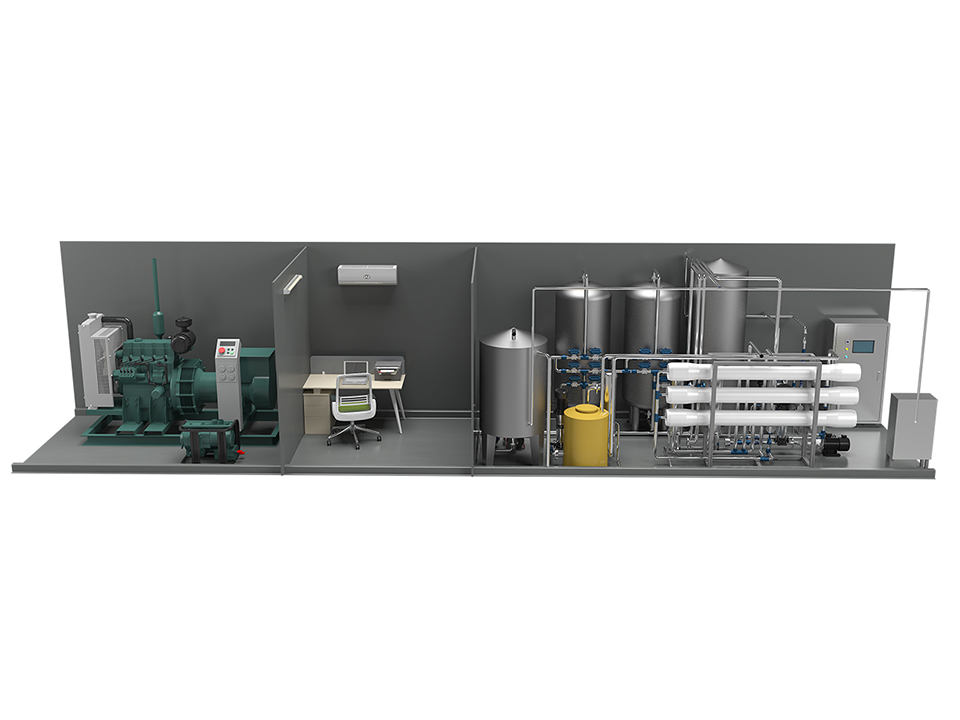
Konteynerli arıtma sistemlerinin temel güçlü yönleri yüksek modülerlik ve esnek yapılandırma özellikleri. Karmaşık süreçlere yönelik sistemler kapılar, pencereler, erişim kapakları ve bağlantı arayüzleri gibi bileşenleri kolayca değiştirebilir. Ayrıca endüstriyel olmayan ortamlar (örneğin belediye, parklar veya okullar) için estetik ve malzeme gereksinimlerini de karşılarlar.
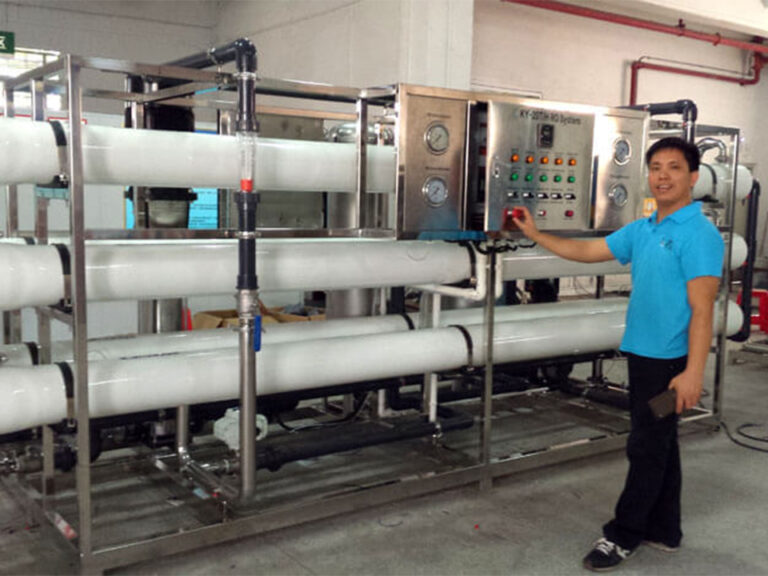
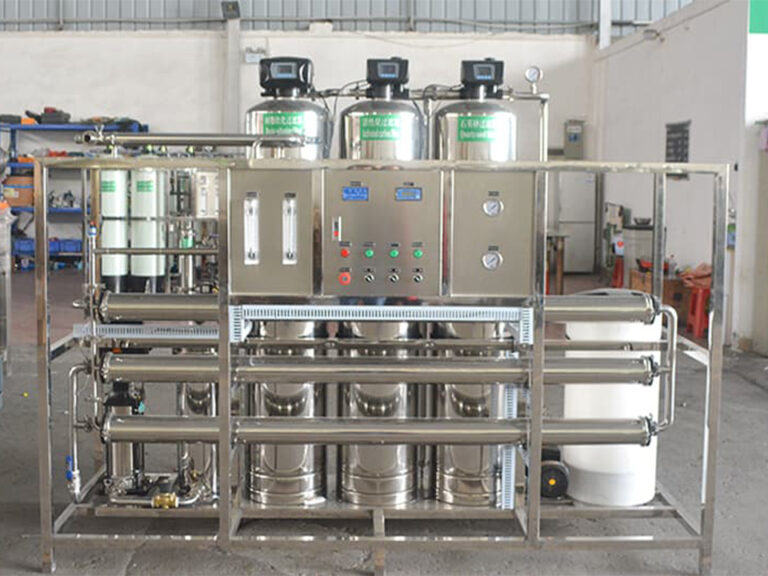
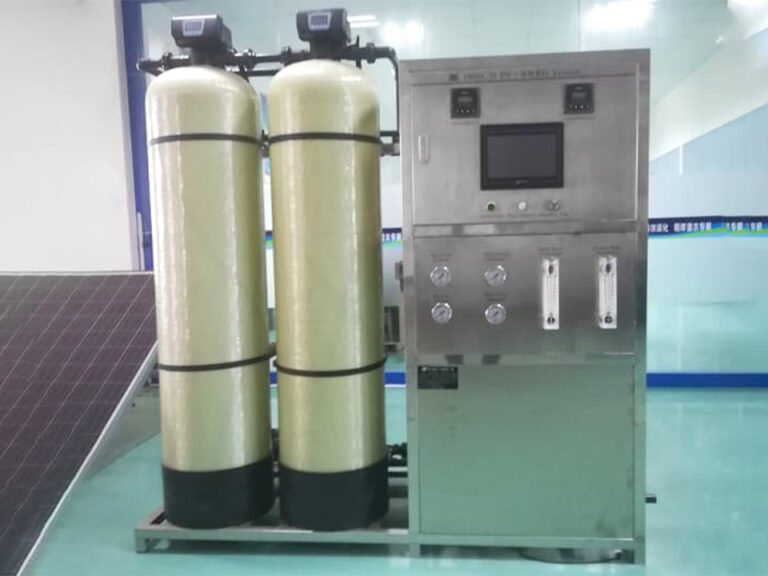
Arıtma gereksinimlerine bağlı olarak, ters osmoz (RO), nanofiltrasyon (NF), ultrafiltrasyon (UF), kimyasal dozajlama ve pompalama sistemleri gibi modüler üniteler konteynerlere entegre edilebilir. Yaygın konfigürasyonlar şunları içerir:
Kullanışlı aydınlatma ve elektrik prizleri
İlave personel erişim kapıları
Ses yalıtımı tesisleri
Kimyasal güvenlik depolama ve koruma cihazları
Kimyasallara dayanıklı zemin ve duvar kaplamaları
Güvenlik duş istasyonları
HVAC sistemleri
Laboratuvar test bölgeleri
Patlamaya dayanıklı elektrikli ekipman (tehlikeli yerler için)
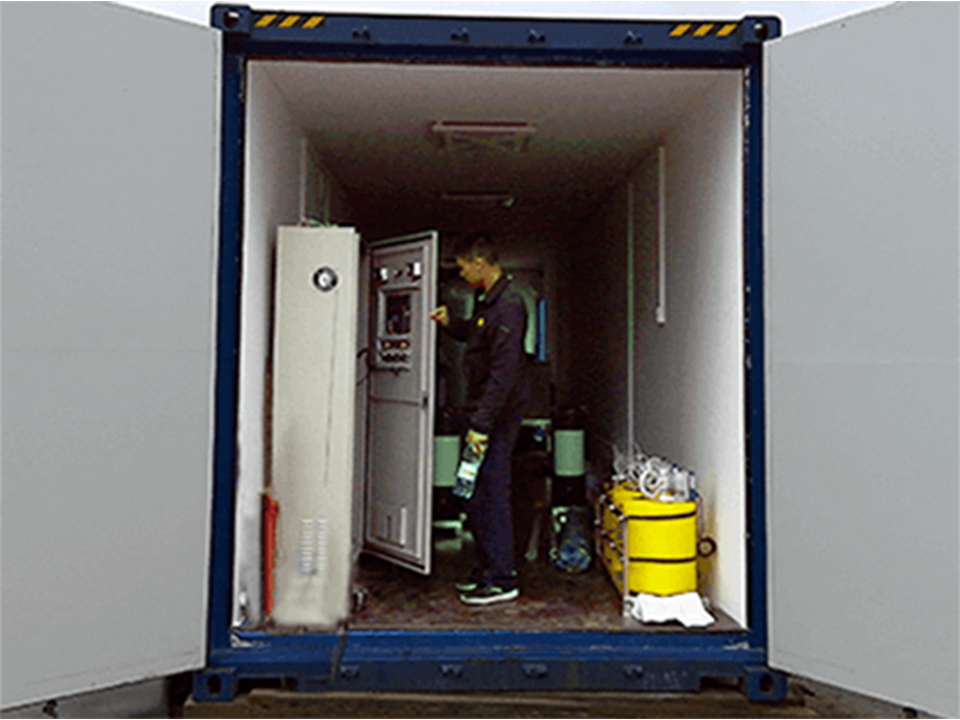
Merkezi Elektrik ve Kontrol Sistemleri
Konteynerli su arıtma tesisleri en çok nerede uygundur?
Konteynerli entegre atık su arıtma ekipmanı, çeşitli evsel atık suları ve benzer endüstriyel organik atık su arıtımını kapsayan geniş bir uygulama alanına sahiptir:
Konut toplulukları, köyler, kasabalar, ofis binaları, alışveriş merkezleri, oteller, restoranlar, sanatoryumlar, devlet kurumları, okullar, hastaneler: Günlük evsel atık su arıtma ihtiyaçlarının karşılanması, özellikle aşağıdakiler için uygundur nispeten sınırlı teknik kaynaklara sahip uzak bölgeler.
Karayolları, demiryolları, fabrikalar, madenler, turistik yerler: Geçici veya sabit sahalar için atık su arıtma taleplerinin karşılanması.
Mezbahalardan, deniz ürünleri işlemeden, gıda üretiminden vb. kaynaklanan küçük-orta ölçekli endüstriyel organik atık sular.: Ulusal Kapsamlı Atıksu Deşarj Standardı Sınıf B'yi karşılamak için benzer endüstriyel organik atıksuları arıtır.
Acil durum su temini veya dağıtılmış arıtma senaryoları: Kompakt yapısı ve hızlı konuşlandırma kabiliyeti, onu acil durum ihtiyaçları için son derece uygun hale getirir.
Yüksek kapasiteli arıtma senaryoları: Birden fazla ünitenin paralel veya seri bağlanmasıyla değişen tedavi ölçeklerine esnek bir şekilde uyum sağlar.
Konteynerli su arıtma tesisi çözümü ne kadar uygun maliyetlidir?
Temel konteyner maliyeti düşük görünse de, özelleştirmeyle ilgili ek masraflar ilk ekipman maliyetlerini hızla aşabilir ve potansiyel olarak toplam maliyeti geleneksel binalardan daha yüksek hale getirebilir.
Durultucular, çözünmüş hava flotasyonu (DAF), yerçekimi filtreleri ve çamur arıtma sistemleri gibi büyük arıtma üniteleri, istiflenebilir tasarımlar veya çıkarılabilir bölmeler gibi özel düzenler gerektirebilir. Ayrıca, duvar paneli yalıtımı, iç aydınlatma, elektrik sistemleri ve HVAC gibi konfigürasyonlar konteynerli sistemlere on binlerce dolar ekleyebilir.
Özellik Karşılaştırma Boyutu
ISO Konteyner
Özel Çelik Yapı
Nomal Çelik Yapı
İlk Maliyet
Nispeten düşük, bol arz
Daha yüksek, tipik olarak standart konteynerin 2-3 katı
Değişken, genellikle daha yüksek
Teslimat Süresi
Kısa, kolay erişilebilir
Daha uzun
Uzun, inşaat yapımını içerir
Özelleştirme Esnekliği
Orta düzeyde, değiştirilebilir ancak standart boyutlarla sınırlandırılmıştır
Yüksek, projeye özel boyutlara ve gereksinimlere göre inşa edilebilir
Yüksek, özel ihtiyaçları karşılamak için tamamen tasarlanabilir
Ulaşım Kolaylığı
Yüksek, multimodal taşımacılık için tasarlanmış
Karmaşık olabilir, özel düzenlemeler gerektirebilir
Geçerli değil
Uygun Tedavi Ölçeği
Küçük ila orta ölçekli sistemler veya büyük sistemler için modüller olarak
Orta ve büyük ölçekli sistemler için uyarlanabilir
Tüm ölçekler
Ölçeklenebilirlik
Birden fazla ünitenin paralel/seri bağlanmasıyla elde edilir
Yeniden tasarım gerektirebilir
Kolayca ölçeklenebilir, ancak daha yüksek maliyet ve zaman
Bakım Erişilebilirliği
Sınırlı; kısıtlı iç alan bakımı zorlaştırabilir
Daha geniş tasarlanabilir, ancak sınırlamalar devam edebilir
Mükemmel; kolay bakım için geniş alan
Konteynerli su arıtma tesislerinin potansiyel zorlukları nelerdir?
Konteynerli sistemlerin önemli avantajı, sahada kurulum gereksinimlerini önemli ölçüde azaltabilmelerinde yatmaktadır. Tüm sistem fabrikada prefabrikasyona ve montaja tabi tutulur ve tüm boru bağlantıları, kablo tesisatları ve işlevsel testler saha tesliminden önce tamamlanır. Çoğu durumda, yüklenicilerin yalnızca beton temelleri dökmesi, konteynerleri yerleştirmesi, harici boruları bağlaması ve güç bağlantılarını tamamlaması gerekir. Ekipman teslimatından arıtılmış su üretimine kadar geçen süre tipik olarak sadece birkaç gündür ve proje zaman çizelgelerini büyük ölçüde kısaltır.
Bununla birlikte, en büyük dezavantajları genellikle uzun vadeli işletme ve bakım aşamasında ortaya çıkar. Geleneksel su arıtma binaları baş üstü boru rafları, kablo tavaları, gömülü boru hatları ve özel elektrik odaları için geniş alan sağlarken, konteyner iç mekanları doğal olarak sınırlıdır. Filtre kartuşunun değiştirilmesi veya sensör kalibrasyonu gibi rutin bakımlar uygun planlama ile yapılabilir. Ancak ters osmoz membranlarının değiştirilmesi veya pompa ya da motor gibi ana bileşenlere bakım yapılması dar alanlarda son derece zorlaşır ve genellikle çevredeki ekipmanın sökülmesini gerektirir. Daha fazla konteyner eklemek alan kısıtlamalarını hafifletebilirken, bu bizi yatırım ve fayda dengesine geri götürür. Ayrıca, konteyner sistemleri yangın güvenliği, sismik direnç ve gürültü kontrolü gereksinimlerini karşılamak için ekstra yatırımlar gerektirebileceğinden, bölgeye özgü düzenlemeler de dikkate alınmalıdır.
Konteynerli Su Arıtma Tesisi Projeleri Nasıl Etkin Bir Şekilde Uygulanır?
Konteynerli bir çözüm tercih ediliyorsa, başarılı bir uygulama birkaç temel faktöre bağlıdır:
Hassas İhtiyaç Değerlendirmesi ve Planlama: Arıtma süreçlerini, su hacmi/kalitesi gereksinimlerini, otomasyon seviyelerini ve gelecekteki ölçeklenebilirliği net bir şekilde tanımlayın. Bu, standart konteynerlerin veya özel muhafazaların seçilmesi için temel oluşturur.
Tasarımda Detaylara Dikkat: Dahili düzenleri, ekipman seçimini ve malzeme seçimlerini optimize etmek için deneyimli tedarikçilerle işbirliği yapın. Alan kullanımını en üst düzeye çıkarın (örneğin, sıvı soğutma teknolojisi 25% alan tasarrufu sağlayabilir) ve aynı zamanda erişilebilir bakım yolları sağlar.
Düzenleyici Standartlara Sıkı Uyum: Tasarımların tüm güvenlik, çevre ve bina kodu gereksinimlerini karşıladığından emin olmak için yerel düzenleyici kurumlarla proaktif olarak etkileşim kurarak maliyetli iyileştirmelerden ve gecikmelerden kaçının.
Uzun Vadeli İşletme ve Bakım Stratejisinin Geliştirilmesi: Toplam yaşam döngüsü maliyetlerini azaltmak için tasarım, yedek parça depolama planlaması, personel eğitimi ve potansiyel uzaktan izleme sistemleri (IoT sensörleri uzaktan operasyonları mümkün kılar) sırasında bakım ihtiyaçlarını dahil edin.
Sonuç
Konteynerli su arıtma tesisleri tüm dünyada önemli bir değere sahiptir endüstri̇yel su aritma, modülerlikleri, hareket kabiliyetleri ve hızlı konuşlandırılmaları nedeniyle kırsal kanalizasyon yönetimi ve acil durum su temini. Belirli senaryolarda maliyet etkinliği ve zaman tasarrufu avantajları özellikle dikkat çekicidir.
Ancak, uygunlukları mutlak değildir. Karar, kapsamlı bir değerlendirmeye dayanır: hızlı dağıtım kabiliyetleri ve potansiyel maliyet etkinliği, uzun vadeli bakım zorlukları ve mekansal kısıtlamalarla dikkatlice tartılır. Nihayetinde en uygun çözüm, projenin kısa vadeli hedefleri ile uzun vadeli operasyonel gerekliliklerini en iyi şekilde dengeleyen çözümdür.
Kysearo, yüksek verimli su arıtma sistemlerinin tasarımı ve üretiminde uzmanlaşmış, Çin merkezli lider bir su arıtma üretim şirketidir. 20 yılı aşkın sektör tecrübemizle, deniz suyu, kuyu suyu, sondaj suyu, musluk suyu ve yeraltı suyu gibi çeşitli su kaynaklarını yeniden canlandırmaya kendimizi adadık.