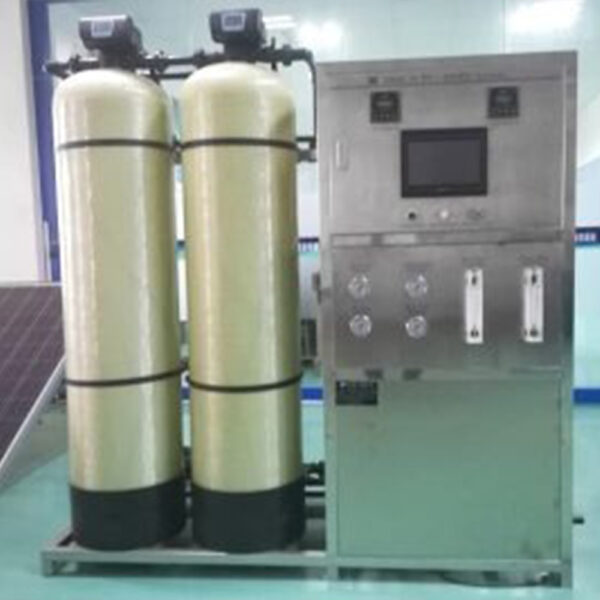
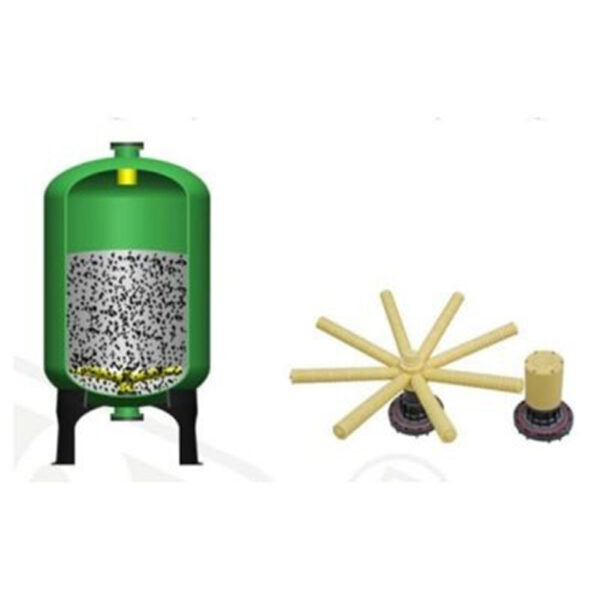
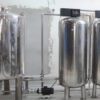
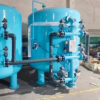
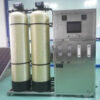
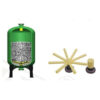
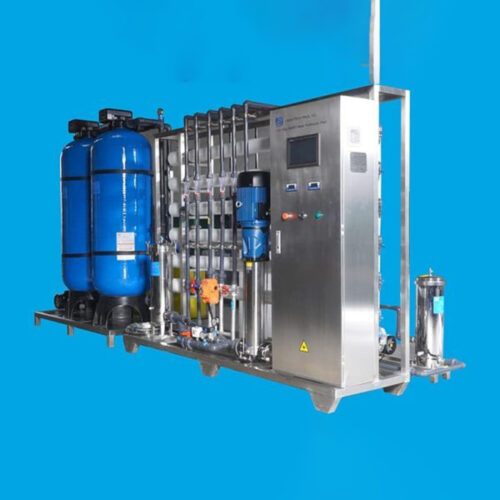
كيف يعمل مرشح رمل الكوارتز؟
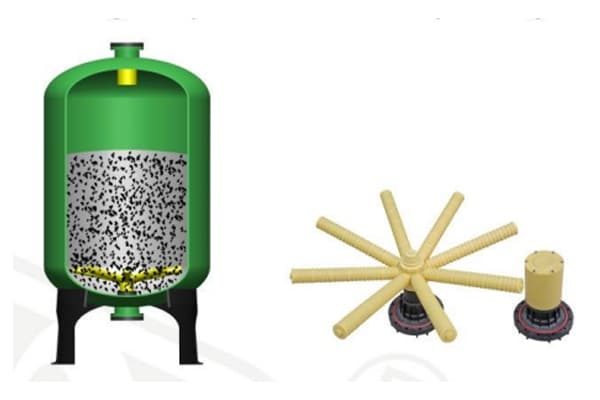
تعمل مرشحات رمل الكوارتز على مبدأ الترشيح الفيزيائي. تتدفق المياه الخام إلى الأسفل عبر طبقة رمل الكوارتز تحت الضغط، مما يزيل الجسيمات العالقة والملوثات بفعالية من خلال الاعتراض والترسيب والامتصاص. أثناء التشغيل، يشكل سرير المرشح تلقائيًا طبقة علوية رخوة وطبقة سفلية كثيفة التوزيع، مما يضمن جودة مستقرة للنفايات السائلة في ظل ظروف مختلفة. عندما يصبح قاع المرشح مشبعًا أو يزداد فرق الضغط، يمكن للمعدات الاستفادة من الغسيل العكسي وظيفة لإزالة الشوائب العالقة واستعادة كفاءة الترشيح.
ما هو استخدام مرشح رمل الكوارتز في أنظمة معالجة المياه؟
يعتمد مرشح رمل الكوارتز على وسائط رمل الكوارتز ذات أحجام الجسيمات المختلفة لإزالة المواد الصلبة العالقة والغرويات والطمي والطحالب وحتى بعض الكائنات الدقيقة والمواد العضوية من المياه بفعالية من خلال آليات فيزيائية مثل النخل والترسيب والامتصاص، مما يقلل بشكل كبير من تعكر المياه. وهي تؤدي أدواراً حيوية في مختلف قطاعات معالجة المياه:
في معالجة مياه الشرب البلدية، حيث تعمل كعنصر حاسم في عملية “التخثر - الترسيب - الترشيح”، فهي تضمن أن تعكر النفايات السائلة يفي بالمعايير التنظيمية.
في التطبيقات الصناعية، تُستخدم على نطاق واسع في تنقية مياه التبريد الدائرية والمعالجة المسبقة لمياه تغذية الغلايات. والأهم من ذلك، أنها تعمل كحواجز ما قبل المعالجة للأنظمة الدقيقة مثل التناضح العكسي (RO) والتبادل الأيوني، مما يمنع انسداد وتلوث المعدات النهائية.
في معالجة مياه الصرف الصحي وإعادة استخدامها، تُستخدم عادةً في الترشيح العميق بعد المعالجة البيولوجية الثانوية، مما يعزز جودة النفايات السائلة لتمكين استعادة الموارد المائية.
بالنسبة لمعالجة مياه حمام السباحة، فهي بمثابة وحدة ترشيح الدوران الأساسية للحفاظ على جودة المياه النقية والصحية.
والجدير بالذكر، في تحلية مياه البحر, تعمل مرشحات رمل الكوارتز كمعدات معالجة مسبقة لا غنى عنها. فهي تزيل بشكل فعال المواد الصلبة العالقة والطحالب والشوائب الأخرى من مياه البحر، مما يوفر مياه تغذية عالية الجودة لأغشية التناضح العكسي اللاحقة أو وحدات التقطير. وهذا يمنع تلوث الأغشية ويضمن التشغيل المستقر والفعال لنظام تحلية المياه بأكمله. وتتميز وسائط الترشيح الخاصة بها بثبات كيميائي ممتاز، وقوة ميكانيكية عالية، وقدرة قوية على الاحتفاظ بالملوثات، وأداء فائق في استرداد الغسيل العكسي. وبالتالي، فإنها تتكيف مع مختلف صفات المياه المعقدة، مما يدل على قدرة قوية على التكيف والموثوقية في تطبيقات مياه الشرب والمياه الصناعية ومياه الصرف الصحي ومياه البحر المعالجة.
كيف تختار المادة بناءً على احتياجاتك؟
تتوفر خزانات مرشح رمل الكوارتز في مواد مختلفة لاستيعاب بيئات التشغيل المختلفة ومتطلبات جودة المياه وقيود الميزانية. يلخص الجدول أدناه خصائص المواد الرئيسية للمقارنة السريعة.
| نوع المادة |
الميزات الرئيسية |
التطبيقات النموذجية |
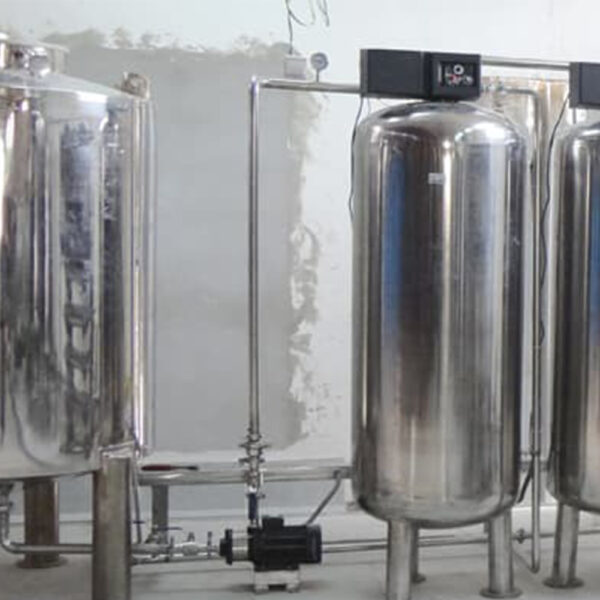
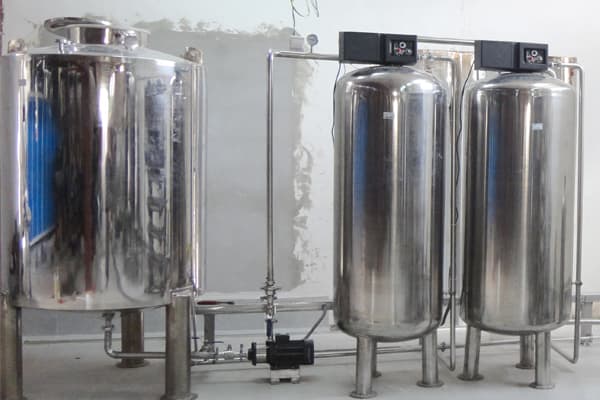
| الفولاذ المقاوم للصدأ |
مقاومة ممتازة للتآكل، ومظهر جمالي مبهج، ومعايير صحية عالية، واستثمار أولي أعلى نسبياً |
الأغذية والمشروبات والمستحضرات الصيدلانية ومستحضرات التجميل وغيرها من الصناعات ذات المتطلبات الصحية الصارمة |
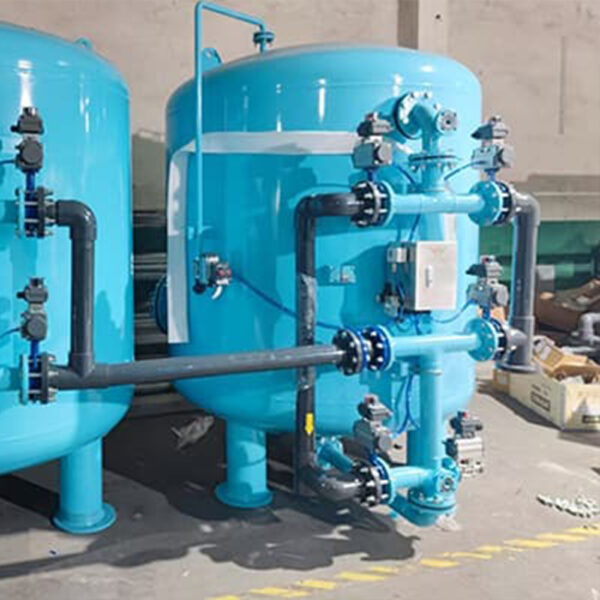
| الفولاذ الكربوني |
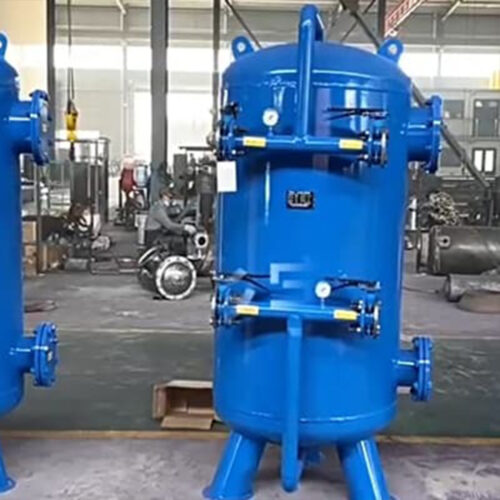
هيكل قوي، ومقاومة عالية للضغط، وتكلفة أقل، ولكن يتطلب معالجة داخلية صارمة ضد التآكل (مثل البطانة المطاطية، وطلاء الإيبوكسي) لمنع التآكل |
معالجة المياه الصناعية، وأنظمة تدوير المياه على نطاق واسع، مناسبة لمعالجة المياه بكميات كبيرة حيث تكون جماليات المواد أقل أهمية |
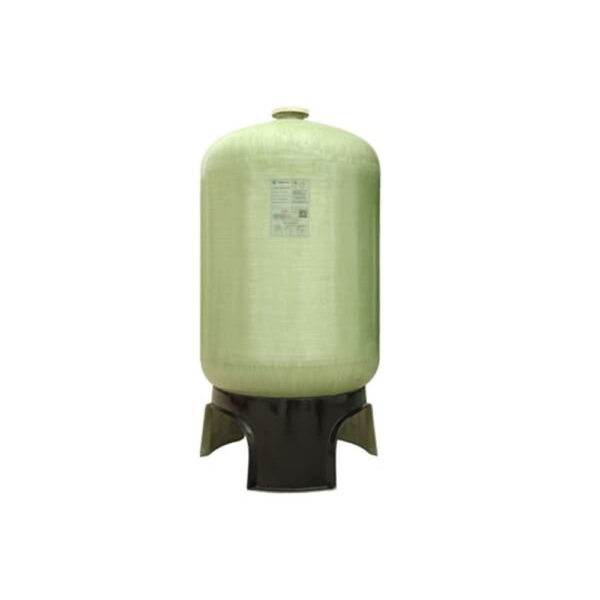
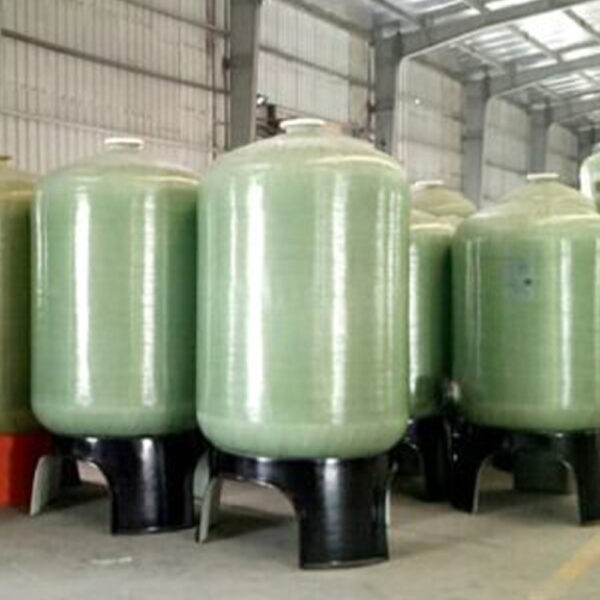
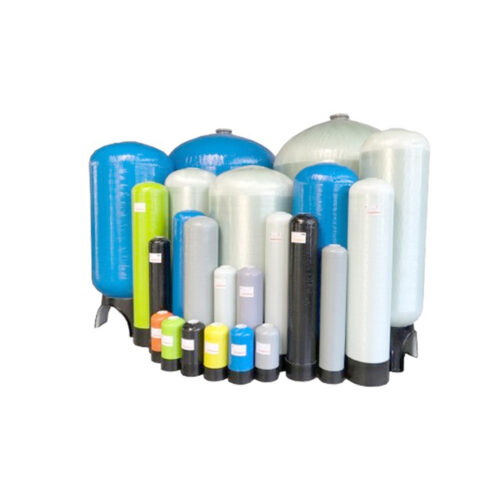
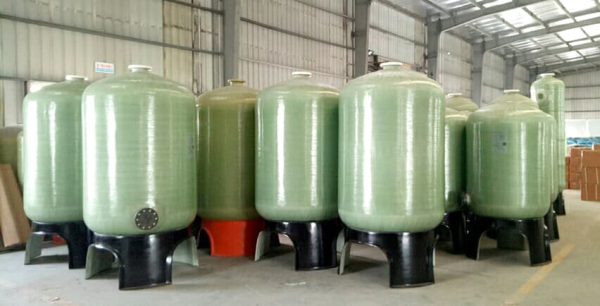
| البلاستيك المقوى بالألياف الزجاجية (FRP) |
خفيفة الوزن لكنها عالية القوة، ومقاومة استثنائية للتآكل، وخالية من الصدأ، وسهلة التشكيل، ومريحة للنقل والتركيب |
مناسبة للبيئات المسببة للتآكل أو التطبيقات ذات المساحة المحدودة مثل المعالجة الكيميائية والمعادن وتحلية مياه البحر والمنشآت الخارجية |
.
اعتبارات اختيار المواد
عند اختيار مواد الترشيح، نوصي بإجراء تقييم شامل للعوامل التالية:
- خصائص جودة المياه: هذا هو العامل الأساسي. بالنسبة للمياه شديدة التآكل (على سبيل المثال، حمضية أو قلوية أو عالية المحتوى من الكلوريد), الفولاذ المقاوم للصدأ أو FRP هي عادةً خيارات أكثر أمانًا. لمياه الصنبور البلدية العادية أو مياه الصرف الصحي المحايدة, الفولاذ الكربوني مع معالجة مضادة للتآكل متوافقة مع المواصفات توفر حلاً اقتصادياً.
- بيئة التشغيل: هل سيتم تركيب المعدات في الداخل أم في الهواء الطلق؟ تعمل البيئات الرطبة أو المكشوفة على تسريع تآكل معدات الفولاذ الكربوني، حتى مع الطلاءات الواقية. في مثل هذه الحالات، فإن مزايا متانة الفولاذ المقاوم للصدأ أو الألياف الزجاجية تصبح أكثر وضوحًا.
- الميزانية والعمر الافتراضي: موازنة الاستثمار الأولي مع تكاليف التشغيل والصيانة على المدى الطويل. في حين أن الفولاذ الكربوني المعدات أرخص مقدمًا، إلا أن تلف الطبقة المضادة للتآكل يمكن أن يؤدي إلى ارتفاع نفقات الصيانة وزيادة مخاطر التوقف عن العمل. الفولاذ المقاوم للصدأ و FRP تنطوي على تكاليف أولية أعلى، ولكن قد تؤدي مقاومتها الفائقة للتآكل إلى انخفاض نفقات دورة الحياة الإجمالية.

ما هي ميزات مرشح رمل الكوارتز؟
1. ترشيح عالي الكفاءة وتشغيل مستقر
- ترشيح عالي الدقة: عندما تكون نسبة التعكر في المدخل ≤20 وحدة عكارة المدخل ≤20 وحدة عكارة المخرج، يمكن تقليل التعكر في المخرج إلى ≤3 وحدة عكارة المخرج، مع إزالة المواد الصلبة العالقة التي تتجاوز 90%.
- سرير الترشيح التكيفي: يتم إعادة توزيع وسائط الترشيح تلقائيًا أثناء التشغيل لاستيعاب تقلبات جودة المياه الخام، مما يضمن أداءً مستقرًا على المدى الطويل.
- المعالجة عالية التدفق: سرعة الترشيح تصل إلى 15-20 م/ساعة، مع قدرة وحدة واحدة تتراوح بين 1.5-100 م³/ساعة (حسب الطراز).
2. كفاءة الطاقة، وحماية البيئة، والراحة التشغيلية
- انخفاض استهلاك مياه الغسيل العكسي: لا يمثل استخدام مياه الغسيل العكسي سوى 1-31 تيرابايت 3 تيرابايت من ناتج المياه المعالجة. يدعم وضعي الغسيل العكسي المختلط بالماء فقط أو الماء والهواء للتشغيل الموفر للطاقة.
- التحكم الآلي: يتيح نظام التحكم PLC الاختياري إمكانية الغسيل العكسي الذي يتم تشغيله بالضغط التفاضلي أو الغسيل العكسي الموقوت، مما يقلل من التدخل اليدوي.
- وسائط الترشيح طويلة العمر الافتراضي: رمل الكوارتز يقاوم الأحماض والقلويات والأكسدة (نطاق الأس الهيدروجيني 2-13)، مع دورات استبدال تمتد إلى 3-5 سنوات في ظل التشغيل العادي.
3. تصميم مرن وبنية متينة
- خزانات متعددة المواد: متوفر من الفولاذ الكربوني (مع بطانة مضادة للتآكل) أو الفولاذ المقاوم للصدأ أو البلاستيك المقوى بالألياف الزجاجية (FRP) لتناسب المتطلبات البيئية المتنوعة.
- هيكل مدمج: تتراوح أقطار الخزانات من 400-3600 مم، مع إتاحة التخصيص لتلبية قيود المساحة في الموقع.
- تشغيل الضغط التفاضلي المنخفض: ضغط العمل ≤0.6 ميجا باسكال، مع ضغط تفاضلي نموذجي للداخل/الخارج من 0.01-0.015 ميجا باسكال فقط، مما يضمن استهلاكًا منخفضًا للطاقة.
ما هي استخدامات مرشح رمل الكوارتز؟
تعمل مرشحات رمل الكوارتز كحل مثالي للمعالجة المسبقة للسيناريوهات التالية:
- معالجة المياه الصناعية: المعالجة المسبقة لمياه المعالجة وتنقية مياه التبريد الدائرية في توليد الطاقة والبترول والكيماويات والمعادن والصناعات ذات الصلة.
- المياه البلدية ومياه الشرب: تنقية المياه المنزلية وعكارة محطة مياه الصنبور وتحقيق معايير مياه الشرب.
- حماية البيئة وإعادة استخدامها: إزالة المواد الصلبة العالقة في المعالجة المتقدمة لمياه الصرف الصحي وأنظمة إعادة استخدام المياه المستصلحة.
- التطبيقات الخاصة: معالجة المياه المعاد تدويرها في أحواض السباحة، والمعالجة المسبقة لمياه صناعة الأغذية والمشروبات، والحماية المسبقة لأنظمة التناضح العكسي/التبادل الأيوني.
ما هو الدعم الذي نقدمه؟
نحن نقدم تغطية نموذج كامل لمرشحات رمل الكوارتز، والتوصية بالمواصفات بناءً على معدل التدفق وخصائص الوسائط. تتوفر حلول مخصصة، إلى جانب إرشادات التركيب والتدريب التشغيلي وخدمات الصيانة مدى الحياة. تخضع جميع المعدات لاختبارات صارمة في المصنع لضمان الاندماج السريع في أنظمة معالجة المياه الحالية عند وصولها.