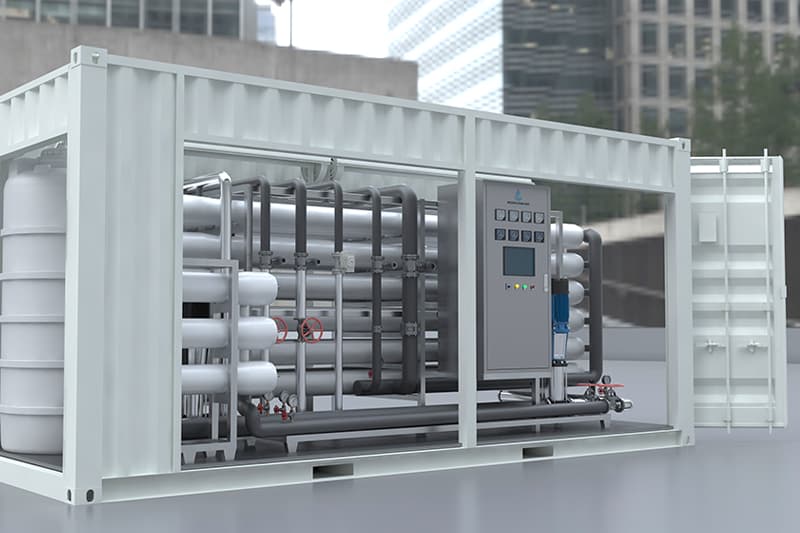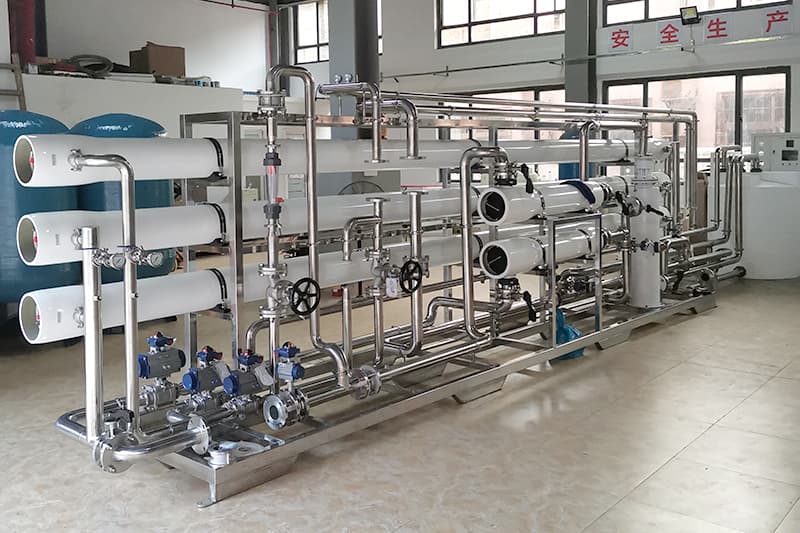
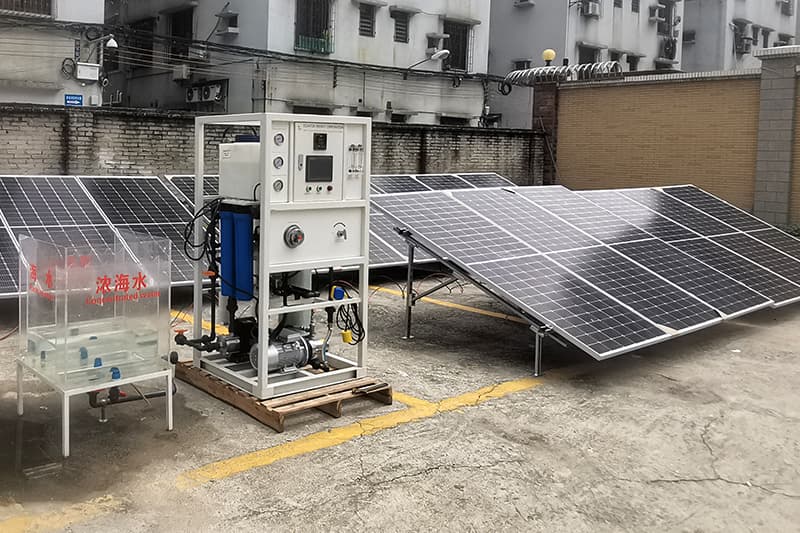
Against the background of significantly scarce worldwide water sources and sped up energy change, successfully making use of renewable resource for salt water desalination has ended up being an essential problem for sustainable growth. Solar powered seawater desalination innovation has gathered widespread attention as a result of its environmental benefits and renewable energy attributes . This short article will certainly explore the toughness and weak points of this technology, assess its sensible application performance, and discover future advancement prospects.
How solar water desalination plant works?
The core of solar-powered desalination plant depends on converting solar power into thermal or electrical energy to drive the desalination process. Based on differences in power conversion approaches, the modern technology mostly falls under two classifications:
- Solar Thermal Purification : This innovation utilizes collection agencies to warmth seawater to evaporation, with the vapor condensed to create freshwater. Typical system kinds include solar evaporators, solar multi-effect purification (MEDICATION), and solar multi-stage flash (MSF) systems.
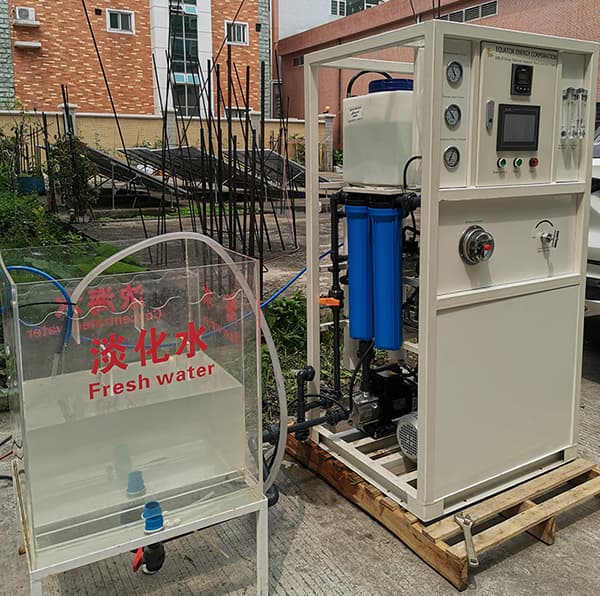
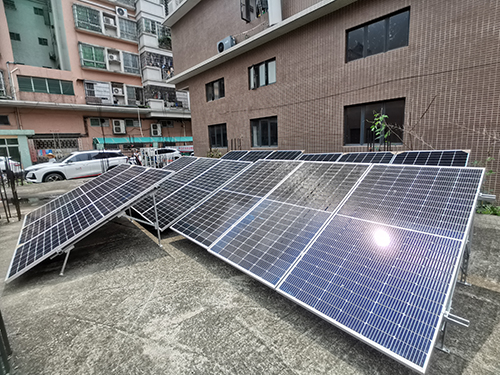
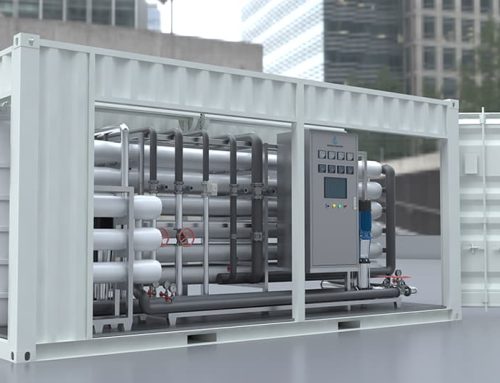
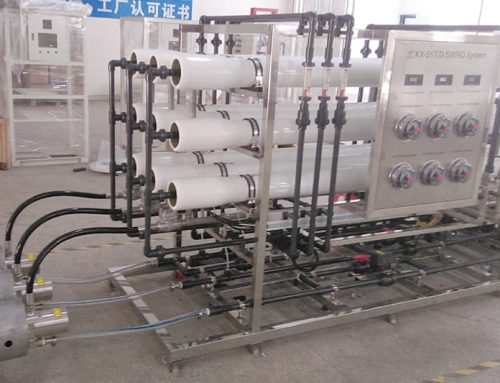
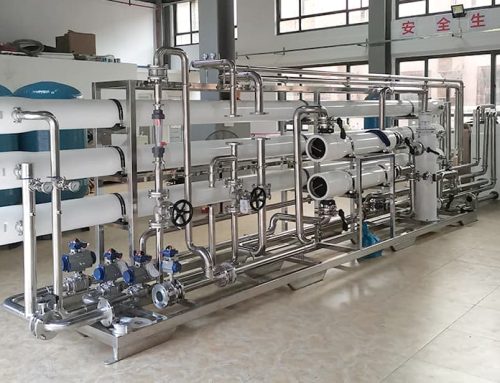
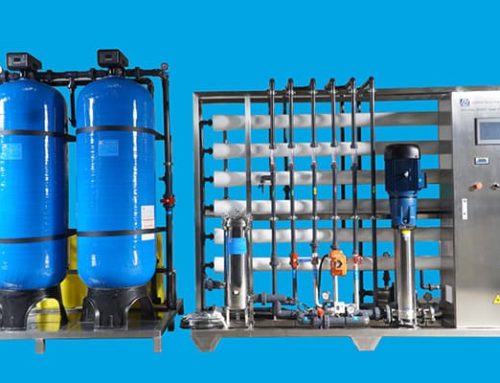
- Solar Photovoltaic Reverse Osmosis (RO) : Solar panels convert sunshine right into electrical energy, which powers reverse osmosis (RO) systems for desalination. RO systems make use of high-pressure pumps to require salt water with semi-permeable membrane layers, removing salts and pollutants to create freshwater.

What are the advantages of solar water desalination plant?
1. Efficient Utilization of Renewable Energy
As a clean, pollution-free renewable resource source, solar energy related to desalination substantially reduces reliance on nonrenewable fuel sources and cuts greenhouse gas discharges, contributing to alleviating global warming. In seaside areas with abundant sunlight, plentiful solar resources give stable and sustainable power support for desalination.
2. Green and Eco-friendly with No Contamination
The solar desalination treatment creates no harmful gases or wastewater, standing in stark contrast to typical coal- or oil-fired distillation strategies. While standard strategies absorb considerable quantities of power and send out considerable contaminants like carbon dioxide, solar desalination completely stops these ecological troubles.
3. Reduced Long-Term Operating Costs
Although the first acquisition and setup costs of solar desalination tools are fairly high, its functional expenses use considerable benefits over time. Given that solar power is totally free, the equipment incurs practically no power costs during procedure. For remote areas and tiny islands, this inexpensive functional model offers an independent and dependable freshwater supply remedy with significant economic benefits.
4. Outstanding Environmental Flexibility
Solar desalination systems sustain modular design, allowing flexible scaling to fulfill diverse application requirements. Whether supplying daily water for tiny families or meeting large-scale commercial and commercial needs, these systems deliver effective and steady efficiency.
5. Diverse Innovation Options
Solar desalination encompasses a variety of modern technologies, allowing selection of the optimum option based on details problems. For instance, solar thermal distillation is fit for locations with plentiful sunlight and less rigid water quality needs. On the other hand, solar photovoltaic or pv reverse osmosis technology is much more applicable in areas requiring high desalination effectiveness and substantial power intake.
What are the disadvantages of solar water desalination plant?
1. High Initial Investment Expenses
The first building and construction stage of solar seawater desalination centers needs considerable resources for procuring core elements like solar batteries, photovoltaic panels, and high-efficiency reverse osmosis membranes, in addition to devices installment. This positions a substantial obstacle for economically underdeveloped areas and tasks with limited funding.
2. Considerable Climate Reliance
Functional efficiency is closely tied to weather. Throughout cloudy, rainy, or hazy durations, insufficient solar sources create desalination performance to plunge. To make sure constant water supply, power storage space gadgets or backup power systems are usually needed, undoubtedly enhancing system complexity and costs.
3. Area for Enhancement in General System Efficiency
Regardless of ongoing developments in solar desalination technology, its general effectiveness still delays dramatically behind traditional energy-driven desalination systems. Particularly during solar power conversion, significant energy losses occur, leading to reasonably high energy intake per unit of water generated.
4. High Maintenance Needs and Trouble
Core elements such as enthusiasts, photovoltaic panels, and turn around osmosis membrane layers need normal upkeep and substitute to make certain steady system operation. This not only boosts upkeep prices however likewise imposes high needs on technical monitoring capabilities. In regions with minimal technical expertise, equipment maintenance might become a major obstacle.
5. Water Quality Control Faces Obstacles
When treating high-salinity seawater, solar desalination systems are susceptible to membrane layer scaling and fouling, which can endanger desalination efficiency and equipment life-span. Resolving this problem calls for incorporating pretreatment innovations like sand filtering and triggered carbon purification, further enhancing system complexity and prices.
What Are the Future Leads for Solar Powerd Water Desalination Plants?
Exactly how will solar salt water desalination modern technology develop in the future?
In reaction to present difficulties, solar salt water desalination modern technology is advancing in several instructions:
Effectiveness Improvement Innovations: Researchers are establishing numerous cutting-edge remedies to increase performance. For example, a team from Northeastern College and the Institute of Steel Research Study, Chinese Academy of Sciences uncovered a novel titanium-based product with 96.4% light absorption efficiency, allowing highly efficient solar-to-thermal conversion and substantially increasing desalination prices. A brand-new evaporator made by blending this product with polyvinyl alcohol accomplished a world-record evaporation price of 6.09 kg of water per square meter per hour under typical solar irradiation problems.
System Assimilation Optimization: Future systems will emphasize multi-technology harmony and intelligent control. Instances include exploring incorporated photovoltaic-membrane distillation-energy storage space systems, utilizing stage modification products to save solar thermal energy and address intermittency problems; or combining with wind-powered hydrogen production, utilizing electrolyzer waste warmth to further enhance energy use.
Materials Scientific Research Breakthroughs: Material development is vital to technological improvement. Researchers are creating aging-resistant photothermal membranes (such as ceramic-carbon composite Janus membrane layers) and self-healing coatings to extend equipment lifespan. Furthermore, low-priced products are advancing– like an extremely reliable, affordable solar distiller developed by the College at Buffalo, State College of New York, in partnership with Fudan College and the College of Wisconsin-Madison, whose basic material prices are listed below $2 per square meter.
Expanding Application Scenarios: Solar desalination modern technology will diversify into multiple application situations. Past proceeded usage in islands and seaside areas, it will certainly reach farming watering, industrial water system, high-salinity industrial wastewater therapy (e.g., lithium removal from salt lakes, electroplating wastewater), and emergency situation disaster alleviation circumstances.
Price Reduction Trend: With technological innovations and scaled release, both financial investment and functional expenses for solar desalination are predicted to lower additionally. Modular layout and standardized manufacturing will certainly assist reduced manufacturing expenditures, while performance gains will lower functional expenses.
Get A Quote Today!
 Arabic
  English
  Spanish
  Russian
  Danish
  German
  Indonesian
  Romanian
  Vietnamese
  Turkish
  Thai
Thai  Italian