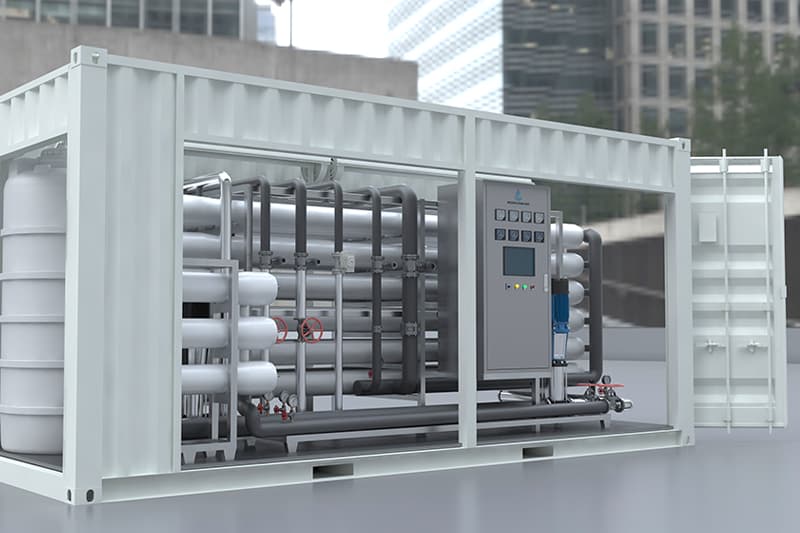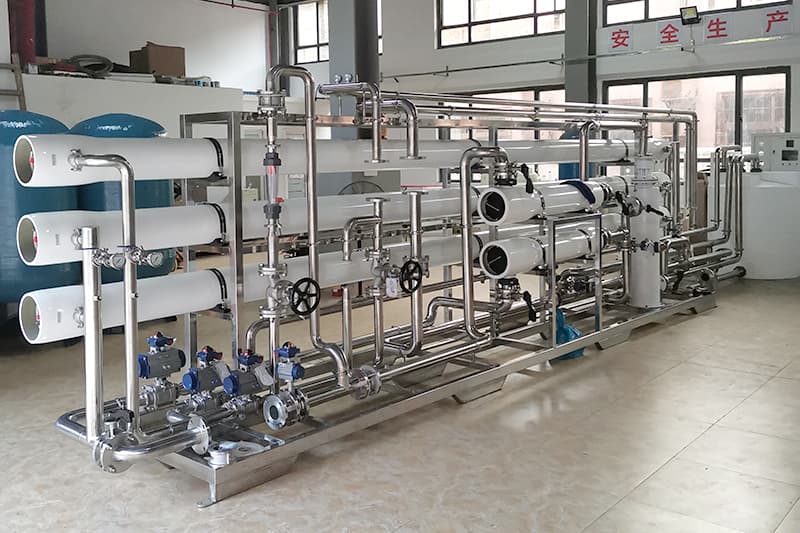

Against the backdrop of increasingly scarce global water resources, tecnología de desalinización del agua de mar has emerged as a vital approach to alleviating freshwater shortages. Among these solutions, containerized seawater desalination system demonstrates significant advantages across diverse applications due to its unique design and exceptional performance. This article delves into the core characteristics of this technology, its broad application domains, and its implications for future water resource management.
Overview of Containerized Seawater Desalination Systems
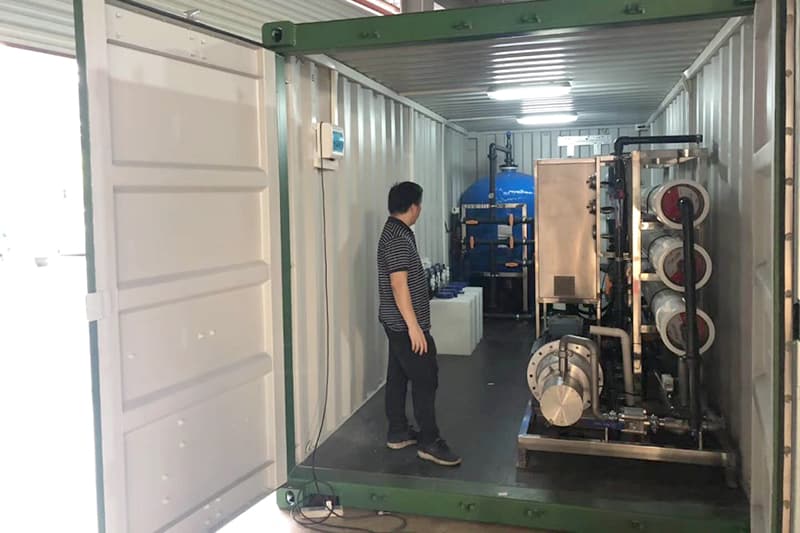
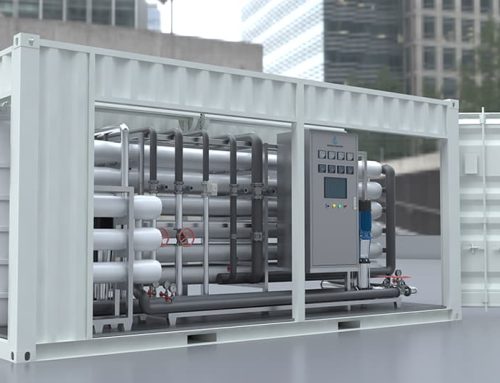
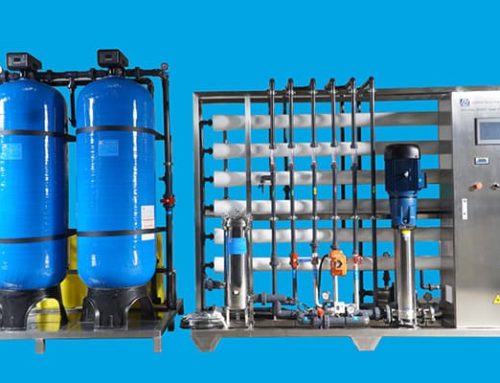
Sistema de desalinización en contenedor represents a mobile water treatment system integrating high-efficiency desalination technology within standard shipping containers. Centered on reverse osmosis membrane technology and equipped with key components like energy recovery units and pretreatment systems, this system delivers fixed or mobile water supply solutions tailored to diverse locations and usage demands. This design philosophy grants the equipment both high-efficiency processing capabilities and flexible mobility, making it particularly suitable for scenarios such as islands, vessels, and emergency disaster relief.
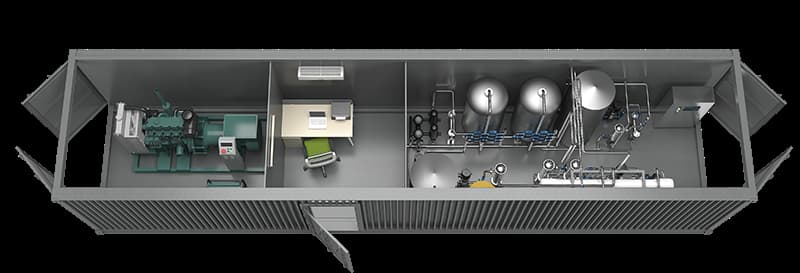
What are the Working Principle Of Containerized Seawater Desalination Systems?
The technology of this equipment is reverse osmosis membrane filtration, a precise nanoscale separation technique that effectively removes impurities from seawater, including salts, organic matter, and microorganisms. The workflow begins with seawater intake systems, where coarse filtration reduces turbidity. Specialized high-pressure pumps then force seawater through reverse osmosis membranes, significantly lowering salinity. This process operates at ambient temperatures without heating, drastically reducing energy consumption.
1. Mobile Convenience
Its containerized design delivers exceptional mobility and installation simplicity, overcoming the transportation and relocation challenges typical of traditional desalination equipment. Compact and lightweight, the unit facilitates easy installation and movement across diverse environments and terrains. Installation and commissioning can be completed swiftly without complex infrastructure. This characteristic provides significant advantages in remote areas, islands, and emergency rescue scenarios, enabling the rapid establishment of reliable freshwater supply stations.
2. High-Efficiency Energy-Saving
The system delivers outstanding energy efficiency and stable water production capacity, achieving an average desalination rate of 99%. The reverse osmosis membrane elements feature high filtration flow rates, strong anti-fouling capabilities, and low pressure loss, enabling high water flux at low operating pressures. The equipment substantially reduces manufacturing costs and system investment, conserves significant energy, and lowers operational expenses. Its low maintenance requirements, user-friendly operation, compact footprint, and energy-saving performance make it an economical and practical solution.
3. Intelligent Operation and Monitoring System
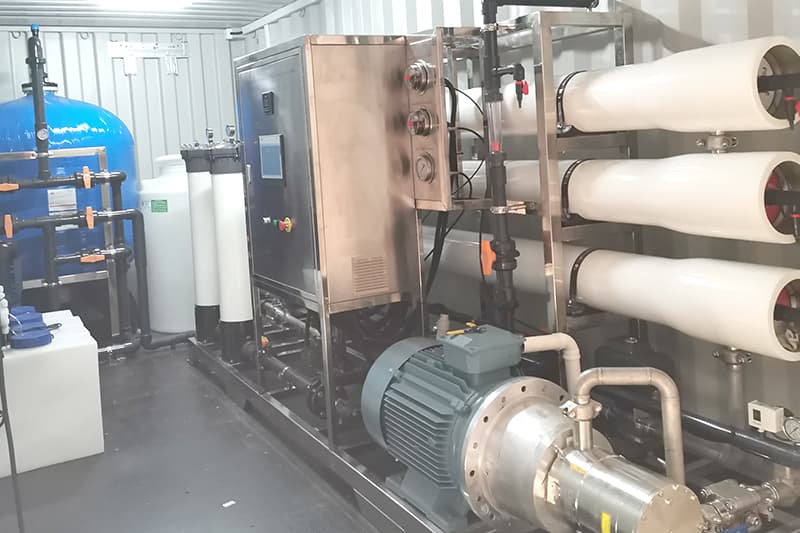
Modern containerized seawater desalination units incorporate advanced automated control and remote monitoring capabilities, enabling highly automated operation. Users only need to provide power and a water intake location to start the equipment. The system automatically completes the desalination process while monitoring water quality and quantity in real time. The equipment supports fully automatic operation and backwashing, reducing labor costs. Water quality and quantity can be monitored online, simplifying management. This intelligent design significantly lightens the manpower burden, eliminates the need for continuous monitoring by specialized personnel, and ensures transparency and controllability throughout the desalination process.
4. Diverse Application Scenarios Analysis
Containerized seawater desalination equipment boasts exceptionally broad applicability, delivering reliable freshwater solutions across multiple scenarios:
| Application Field | Specific Application | Advantages |
|---|---|---|
| Island Community Water Supply | Water for residents on remote islands, tourism facilities | Solves space constraints, provides stable water source |
| Marine Operations & Shipping | Ocean-going cargo ships, tankers, offshore drilling platforms | Adaptable to confined spaces, provides continuous freshwater supply |
| Emergency Relief | Temporary water supply post-natural disasters | Rapid deployment, swift production of standard-compliant freshwater |
| Military & Defense | Border outposts, military bases | Meets specialized site water demands, safeguards military operations |
| Industrial Water | Coastal manufacturing, energy industry process water | Provides high-quality freshwater, supports industrial production |
| Tourism & Service Industry | Island resorts, hotels, and commercial facilities | Ensures reliable freshwater supply for normal operations |
| Arid & Remote Regions | Desert areas, remote rural communities | Combined with brackish water desalination to provide dependable water sources |
5. Exceptional Environmental Adaptability
This equipment demonstrates robust environmental adaptability and durability, capable of withstanding diverse climatic conditions and environmental demands, including extreme heat and humidity. Its corrosion-resistant housing is specially engineered to withstand marine corrosion and harsh weather impacts. It operates continuously and stably, minimally affected by time, location, temperature, or climate, and is resistant to scaling and clogging that cause equipment failure. This adaptability enables stable operation from desert interiors to remote islands, providing reliable freshwater resources in challenging environments.
6. Economic Benefits and Investment Value
Containerized seawater desalination equipment offers significant cost advantages and investment returns. Its operation requires minimal complex procedures and involves low investment costs. Compared to traditional desalination technologies, it features lower energy consumption, reduced operating expenses, and simplified maintenance. Their design prioritizes energy efficiency, enabling operation at ambient temperatures and minimizing heating-related energy consumption. These economic advantages make them particularly suitable for island regions with limited budgets and inadequate power supplies, as well as resource-constrained remote areas, delivering rapid returns on investment.
Conclusión
Containerized seawater desalination units have become a vital tool for addressing freshwater scarcity due to their efficiency, flexibility, and convenience. Their value is particularly evident in remote areas with weak infrastructure and scarce freshwater resources, or during emergencies when conventional water supplies are disrupted. As global awareness of water crises grows and technological innovation advances, containerized desalination plants will play an increasingly vital role in water resource management, providing a robust freshwater supply for sustainable human development.
Solicitar presupuesto
 Spanish
  English
  Arabic
  Russian
  Danish
  German
  Indonesian
  Romanian
  Vietnamese
  Turkish
  Thai
Thai  Italian