Although over 70% of the Earth’s surface is covered by water, the vast majority of it is seawater that cannot be directly deceived! With the increasingly severe global water crisis, seawater desalination technology is playing an increasingly important role as a solution;
What is a sea water treatment plant?
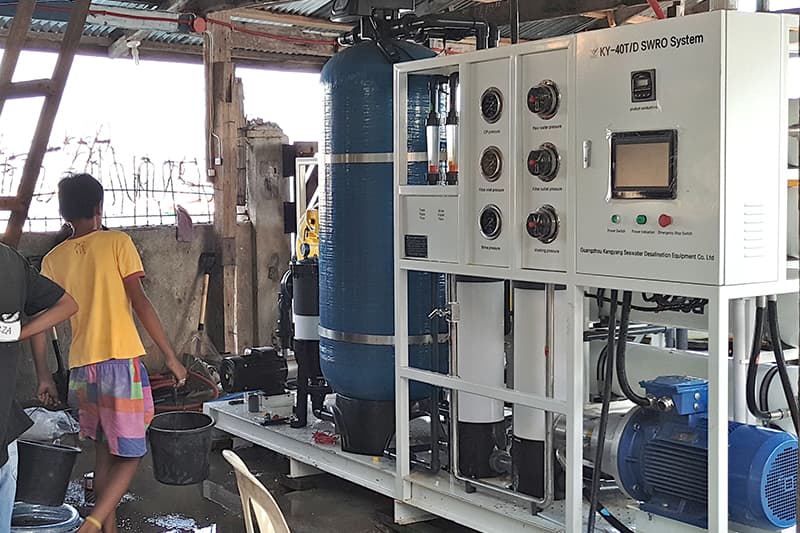
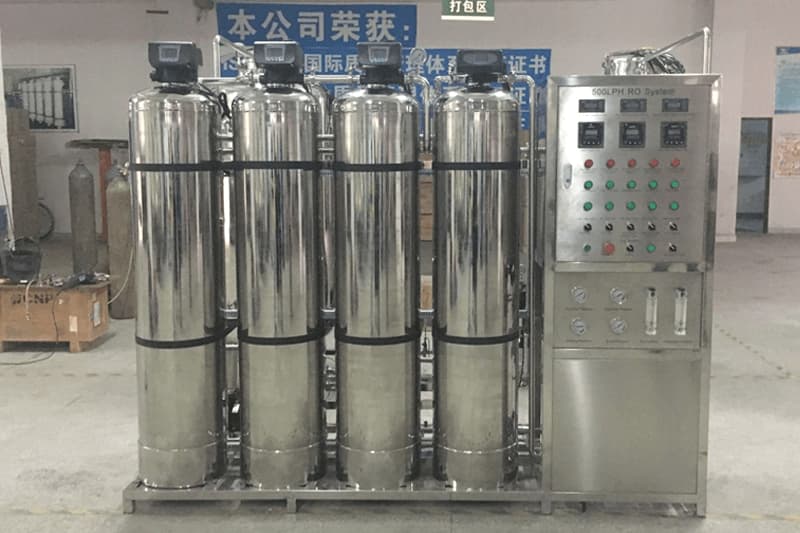
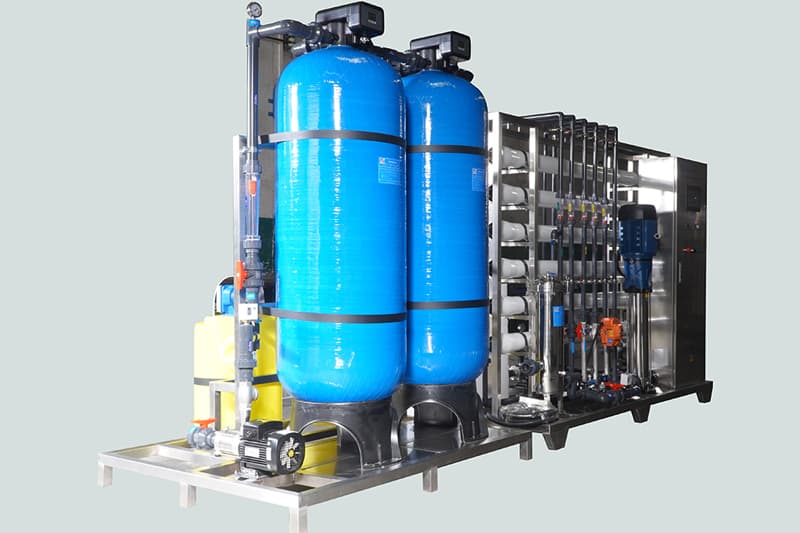
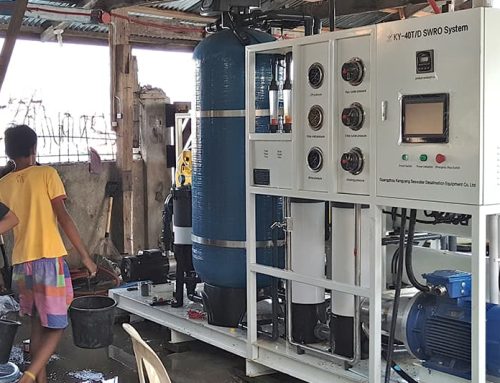
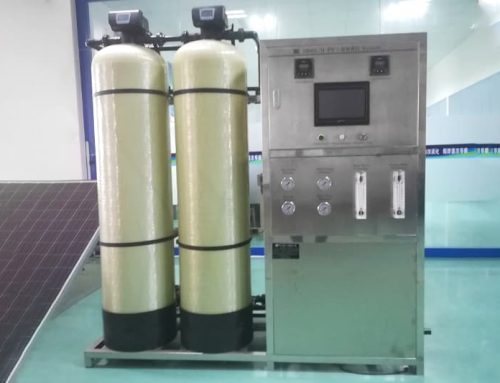
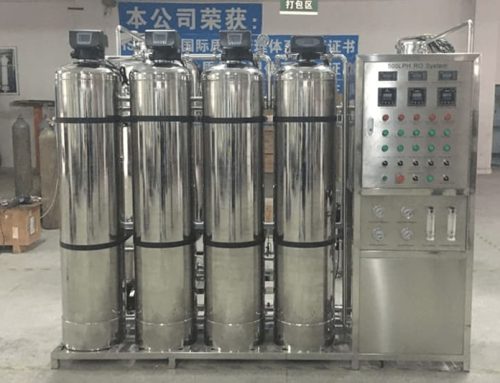
A sea water treatment plant, also known as a seawater desalination plant, is a key facility that utilizes special capabilities to convert seawater into freshwater and occupies a pivotal position in the field of water resources; In many arid regions and places with scarce freshwater resources, seawater treatment plants play an irreplaceable role.
In terms of effectiveness, the core task of a seawater treatment plant is to remove salt, impurities, and other harmful substances from the seawater obtained through a series of complex and precise technological processes, in order to produce freshwater that meets various application methods; These freshwater sources have ordinary uses and can be used as a reliable source of daily drinking water for residents, solving people’s drinking water problems! It can also be used for agricultural irrigation, helping crops grow vigorously, and ensuring the smooth progress of agricultural production. It can also manipulate industrial production, meet various industrial water needs, and promote the static development of industry.
 What is the working principle of sea water treatment plant?
A sea water treatment plant, also known as a seawater desalination facility, whose main goal is to transfer seawater with a salt content of about 35000mg/L to freshwater with a salt content of less than 500mg/L through physical or chemical methods, making it suitable for drinking water or industrial and agricultural use;
The principle of this process is mainly based on two major skill paths: thermal method and membrane method ; Thermal methods (such as distillation) use thermal energy to promote phase transition in seawater and deceive water molecules into dividing salt distribution in different phases, achieving high salt water content! And the membrane rules rely on external energy and selective permeation through the membrane, allowing water molecules to pass through while salt is retained.
Modern seawater desalination plants typically accommodate four main process stages: water intake and pretreatment, focused desalination, post-treatment, and product water distribution! Pre treatment is a crucial step aimed at removing suspended solids, algae, and microorganisms from seawater, and preventing subsequent scaling and confusion.
What are the sea water treatment plant technologies?
There are three main types of seawater desalination technologies that have achieved large-scale commercial applications globally: reverse osmosis, multi-stage flash evaporation, and low-temperature multi effect distillation!
1. Reverse osmosis technology Reverse osmosis is currently the most widely used membrane desalination technology; The principle is to apply an external pressure to seawater that is ahead of its osmotic pressure (usually 5.5-6.8 MPa), causing water molecules to penetrate the semi permeable membrane against the natural permeation target, while salt ions are retained.
The biggest advantage of reverse osmosis lies in its low energy consumption, which is only half of that of electrodialysis and 1/40 of that of distillation! With the widespread use of energy recovery device, the energy acceptance of modern reverse osmosis plants can reach over 90%, and the electricity consumption per ton of water has been reduced to below 3-4 kWh.
2. Multi stage flash evaporation capability Multi stage flash evaporation belongs to thermal desalination technology, which introduces heated seawater into a series of flash evaporation chambers with gradually decreasing pressure, vaporizes some seawater instantly, and condenses steam to obtain fresh water; This skill is technically sophisticated and has low requirements for seawater pretreatment, making it particularly suitable for large and ultra large desalination facilities and widely operated in Gulf countries;
3. Low temperature multi effect distillation capability Low temperature multi effect distillation is one of the most energy-efficient techniques in distillation. It operates at temperatures below 70 ℃, connects multiple evaporators in series, and uses the steam formed by the front effect as the heat source for the back effect. Through multiple evaporation and condensation, it obtains distilled water that is multiple times the amount of heated steam! This ability effectively prevents the problem of inorganic salt scaling and can deceive low-grade heat sources.
The following table compares the key characteristics of three mainstream seawater desalination technologies:
| Technical Parameters | Reverse Osmosis | Multi stage Flash Distillation | Low temperature Multi effect Distillation |
|---|---|---|---|
| Working principle | Membrane separation | Thermal evaporation | Thermal evaporation |
| Energy consumption level | 3-4 kWh/m ³ | 10-14 kWh/m ³ | 6-8 kWh/m ³ |
| Product water quality | Good | Excellent | Excellent |
| Preprocessing Requirements | High | Low | Medium |
| Applicable scale | Large, super large | Large, super large | |
| Main manipulation areas | Global wide | Gulf countries | Coastal industrial zones |

What is the desalination process of a sea water treatment plant?
The operation of a sea water treatment plant is a complex and sophisticated system engineering. Taking the example of a reverse osmosis seawater desalination plant, its operation process mainly involves the following key points:
The crux of water intake: Usually, water is taken from the sea area at a certain depth from the coast through dedicated pipelines, or the coastal “seawater lake” is deceived into storing seawater during high tide; ;
Pre treatment stage: The seawater is subjected to a coarse grid and a re stressing sand tank to remove suspended solids with a diameter greater than 1mm. Then, it is filtered through a multi-media filter and a precision filter to reduce the mixing density index to below 3, in order to protect the subsequent reverse osmosis membrane! Pre treatment also includes sterilization and algae killing treatment, and commonly used seawater sodium hypochlorite generators produce sodium hypochlorite to kill microorganisms.
Focus desalination process: The pre treated seawater is pressurized to about 5.5-6.8 MPa by a high-pressure pump and then enters the reverse osmosis membrane group; Water molecules pass through the membrane wall to become fresh water, while salt is intercepted to form concentrated saltwater!
Post processing stage: The produced fresh water needs to be mineralized and disinfected. By adding carbon dioxide and necessary minerals, and disinfecting with sodium hypochlorite, the final product water is made suitable for the WHO drinking water method!

What challenges and innovations does sea water treatment plant face?
Although sea water treatment technology has been maturely applied, it still faces multiple challenges such as energy consumption, cost, and environmental impact, while technological innovations have emerged one after another.
Energy consumption challenges and innovation Desalination of seawater is an energy intensive asset, and reducing energy consumption is the main goal of technological innovation! Reverse osmosis technology has significantly reduced the electricity consumption per ton of water through efficient energy harvesting devices;
Cost Challenge and Improvement The cost of seawater desalination, which used to be as high as $10 per cubic meter in the 1970s, has now dropped to $0.5-1 per cubic meter. The seawater desalination project in Huaxia Qingdao has significantly reduced costs by promoting localization rates;
Environmental impact and resource fraud The direct discharge of concentrated saltwater generated during seawater desalination can sense marine ecology, but new technologies are transforming it into a resource; Qingdao Water Supply Haidan Company signed a contract in 2023 to establish the world’s first concentrated salt water lithium extraction project, which can produce 40 tons of lithium carbonate from concentrated salt water every year, guiding a new path for lithium resource exploration.
Table: Comparison of Energy Consumption and Investment in Major Seawater Desalination Processes
| Skills | Electricity consumption (kWh/m ³) | Thermal energy consumption (kJ/kg) | Investment cost | Difficulty of operation and maintenance |
|---|---|---|---|---|
| Reverse osmosis | 3.8-5.0 | No heat source required | Low | Medium |
| Multi stage flash evaporation | 2.5-5.0 | 290-390 | High | Medium |
| Multi effect distillation | 1.5-2.5 | 230-370 | High | Medium high |
What role does seawater desalination play in global water supply?
Desalination of seawater has become a primary component of the global water supply system, especially in arid regions and coastal cities.
According to the International Desalination Association, there are 18000 leading desalination plants built worldwide, providing over 950000 cubic meters of fresh water per day for over 150 countries at a discount of 300 million! These facilities not only solve the local drinking water supply problem, but also make the primary contribution to the sustainable management of global water resources!
In Israel, one of the countries with the most severe global water scarcity, the large-scale manipulation of seawater desalination technology has enabled the country to achieve basic self-sufficiency in water supply. Israel’s five large seawater desalination plants have an annual production capacity of approximately 600 million cubic meters, meeting 60% of the water needs of the universe; Desalination of seawater is also receiving increasing attention; 121 seawater desalination projects have been completed nationwide, with a daily water production capacity of 1008800 tons;f
With the advancement of technology and the reduction of costs, seawater desalination is shifting from an “emergency water source” to a “conventional water source” and becoming an important way to alleviate the global water crisis. Through material innovation and process optimization, the energy consumption of modern seawater desalination plants has been reduced by 80% compared to earlier stages. In the future, they will play a more important role in ensuring global water safety!
Phần kết luận
Desalination technology, as the primary means of addressing global water scarcity, is continuously improving efficiency, reducing costs, and minimizing environmental impact through technological innovation; With the maturity of renewable energy coupling technology and the improvement of the entire industry chain, seawater desalination is expected to play a more focused role in building a sustainable water resource utilization system, providing solid guarantees for humanity to respond to water resource challenges.
Nhận giải pháp ngay hôm nay!
 Vietnamese
  English
  Arabic
  Spanish
  Russian
  Danish
  German
  Indonesian
  Romanian
  Turkish
  Thai
Thai  Italian