Membrane Desalination Procedures

Blog

7 Disadvantages of Ultrafiltration Equipment

7 Disadvantages of Ultrafiltration Equipment

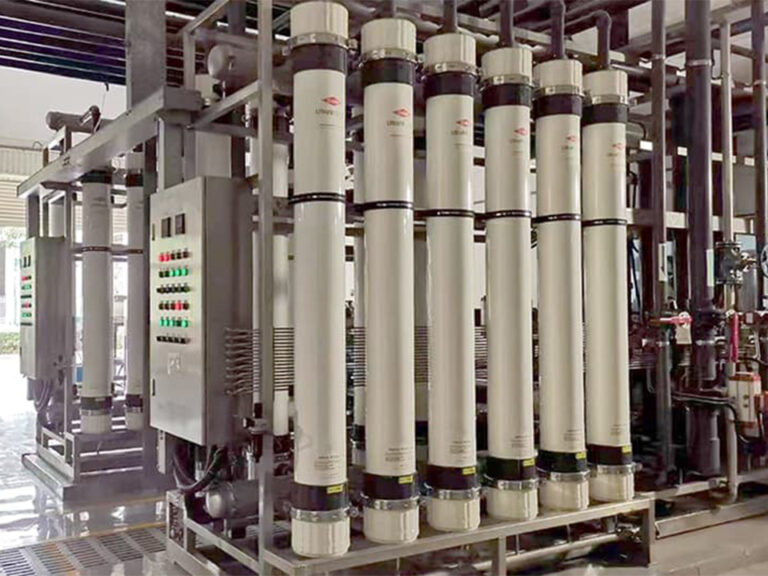
Ultrafiltration equipment is effective for removing suspended solids, colloids, bacteria, and macromolecular organics, but it has limitations such as membrane fouling, strict feedwater requirements, and weak removal of dissolved salts or small molecules. This article explains common UF system challenges and practical solutions, including pretreatment, chemical cleaning, intelligent control, and integration with RO, NF, ion exchange, or adsorption.

Where does Salt Go After Seawater Desalination?

Salt Go After Seawater Desalination

Salt from seawater desalination is usually discharged as concentrated brine, recovered through evaporation or crystallization, or reused as industrial salt and mineral resources. This article explains the environmental impacts of brine on oceans, soil, and plants, while highlighting safer salt management methods and emerging recovery technologies.

What Are the Challenges for Seawater Reverse Osmosis System?

Seawater Reverse Osmosis System

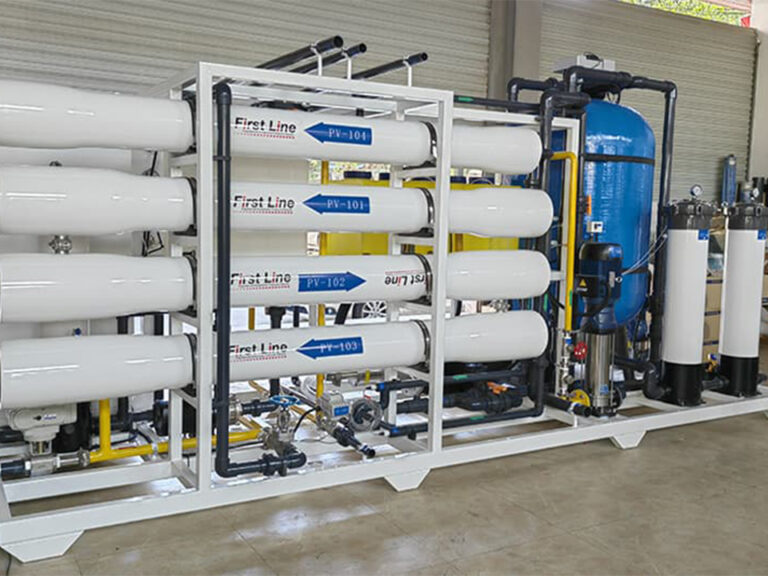
Seawater reverse osmosis systems provide freshwater for islands and arid regions, but they face challenges such as high energy consumption, membrane fouling, pretreatment complexity, and concentrated brine discharge. This article explains SWRO system impacts and optimization measures, including energy recovery devices, improved pretreatment, fouling monitoring, brine management, and intelligent control.

What is Reverse Osmosis Water Purification Plant​?

Reverse Osmosis Water Purification Plant​

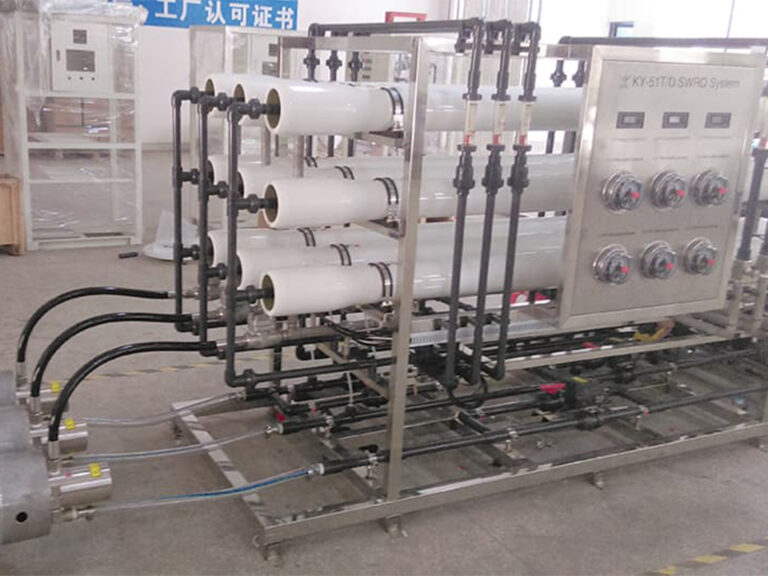
Reverse osmosis water purification plants use high-pressure semi-permeable membranes to remove dissolved salts, heavy metals, microorganisms, and organic contaminants from water. This article explains RO advantages, limitations, maintenance needs, wastewater concerns, and efficiency optimization for residential, commercial, and industrial applications.

8T/H Two Pass RO Electroplating Ultra Pure Water System

RO Electroplating Ultra Pure Water System

This electroplating pure water system uses MMF, activated carbon filtration, dosing, security filtration, two-stage RO, UV sterilization, and CIP cleaning to produce high-purity process water. Designed for automotive parts electroplating, it helps control conductivity, hardness, silica, bacteria, and residual ions to improve coating adhesion and reduce plating defects.

30T/H Well Water Softening Equipment Treatment Project in Indonesia

Well Water Softening Equipment Treatment Project in Indonesia

This Indonesia water softening equipment project uses a dual-unit ion exchange resin system to treat high-hardness well water at 30m³/h. With one softener in operation and one on standby, the system provides continuous softened water while reducing scale buildup in pipes, production equipment, and downstream filtration systems.

2000 Litres/Hour Solar Seawater Desalination Machine In The Philippines

Desalination Machine

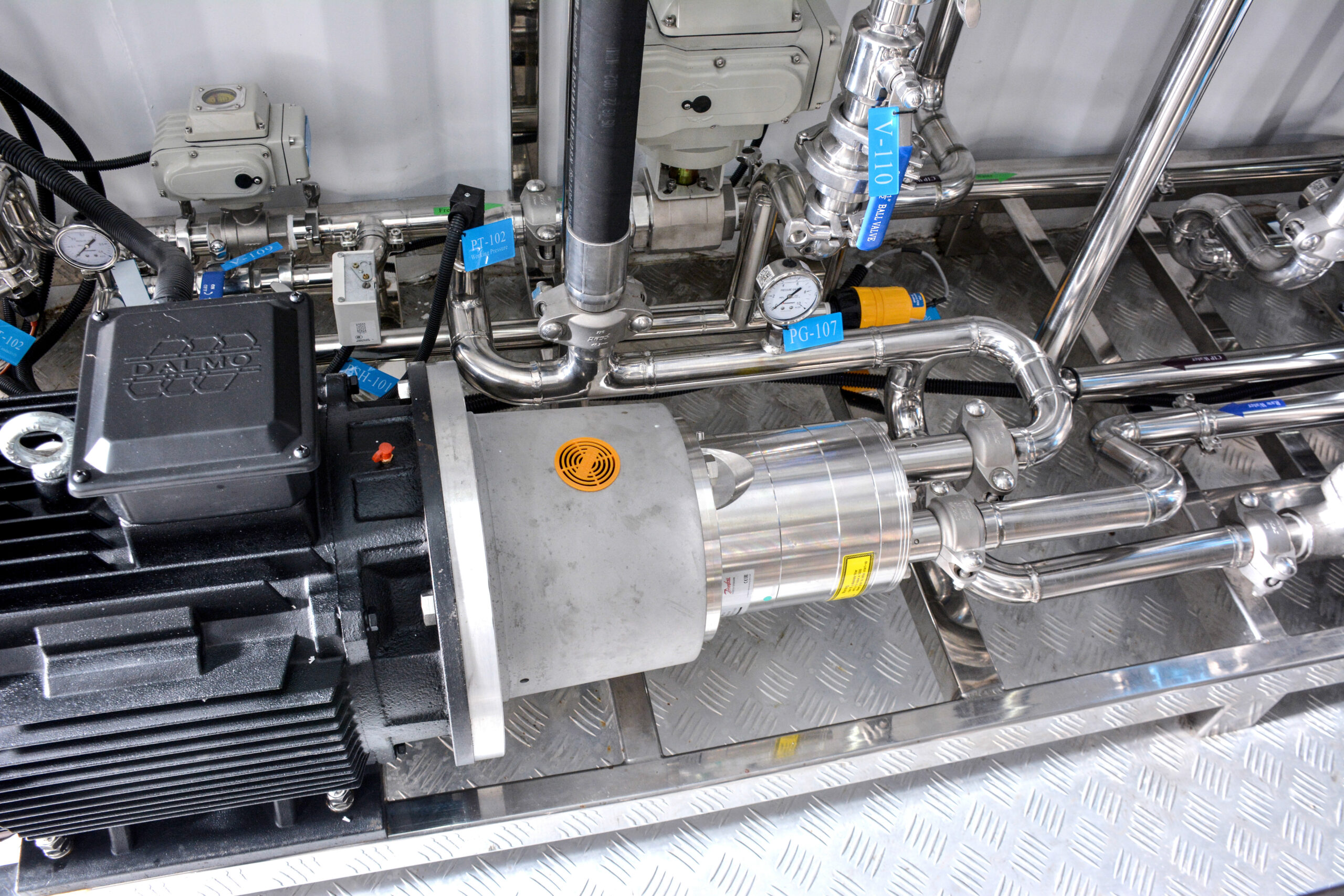
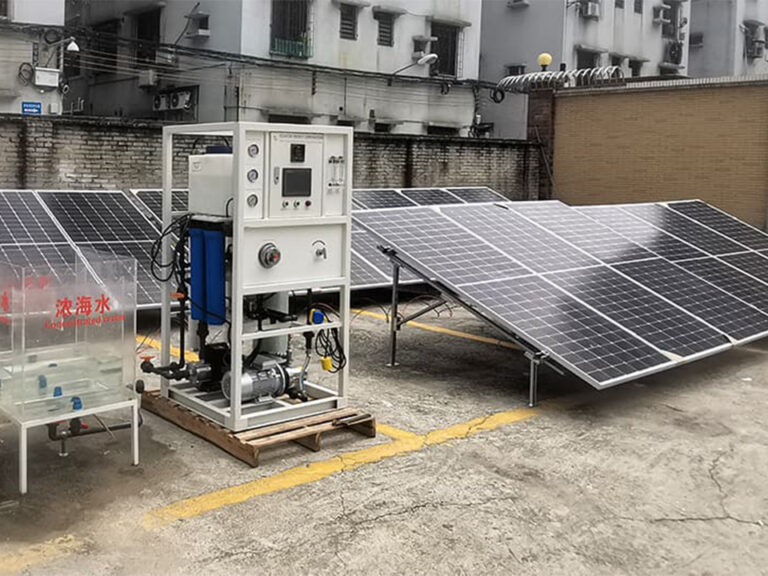
This Philippines solar seawater desalination machine converts high-salinity seawater into safe drinking water using pretreatment, Toray SWRO membranes, Danfoss high-pressure pumping, UV sterilization, and PLC control. Powered by a 40kW off-grid solar system, the 2m³/h plant reduces reliance on traditional electricity while providing coastal communities with a stable freshwater supply.

Kangyang Seawater Desalination Equipment Co.,Ltd
Brackish Water Desalination
Sea Water Reverse Osmosis Systems
Containerized RO Systems
Solar Desalination Machine
Industrial Ultrafiltration UF Systems
Industrial Water Softening Equipment
Boiler Feed Water Treatment System
RO EDI Water Treatment
About
Applications
Projects
Products
Blog
Contact
+86 189 9155 0318
No.4, Shijiaoju Street, Dukou Road, Xinzao Town, Panyu Dist, Guangzhou, Guangdong, 511436 China.
Copyright © 2026 Kangyang Seawater Desalination Equipment Co.,Ltd